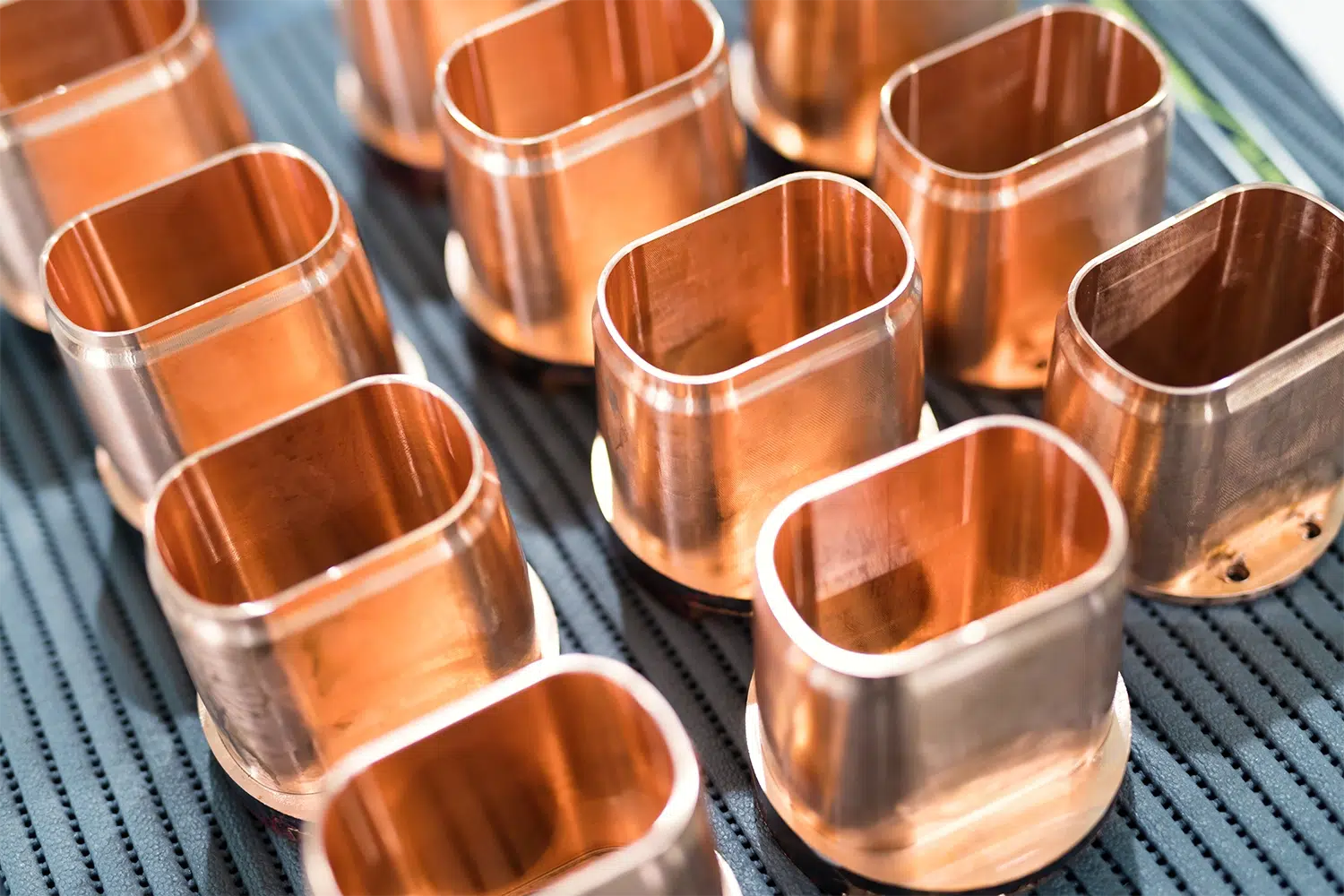
Surface treatment

Metal surface treatment refers to all processesdesigned to modify the surface properties of a metal or alloy without altering its internal structure. This helps improve its properties, appearance, or functionality.
Our surface treatment facility leverages its expertise to enhance the performance and durability of your metal parts. We work with a wide range of materials—even the most complex ones—to apply functional, durable, and precise coatings tailored to your specific industrial needs.
Our various processes
Would you like to learn more about our surface treatments? Find out more and explore all our solutions!
Electrolytic nickel plating
Electrolytic nickel plating
Tinning
Metalizing plastics
Copper plating
Alodine 1200
Electrolytic copper plating
Electrolytic copper plating
Silver plating
Industrial gilding
Surtec 650
Surface treatment is a very broad topic; please feel free to contact us so we can assess the feasibility of your project.
Our specialties
Technical Deposits
We apply functional coatings to enhance the mechanical, electrical, or chemical properties of parts. These treatments are not decorative; they are designed to optimize the performance and durability of your components.
Refractory metal deposits
Refractory metals such as molybdenum and tungsten are highly resistant to heat and wear, but difficult to process. Our workshop is capable of applying specific coatings to these materials to enhance their properties or add new functionalities without altering their structure.
Localized deposits
Some parts require treatment only in specific areas. For example, we reinforce areas subject to friction or protect only the parts that are susceptible to corrosion.
Barrel aging
For small industrial parts such as screws, bolts, or standard mechanical components, we use rotary drums that allow us to process multiple parts simultaneously. This method is fast, cost-effective, and ensures uniform treatment of all parts.
Deposits on hold
For larger or delicate parts, each component is suspended individually by clamps during the coating process. This technique prevents any contact between parts, ensures a uniform coating, and eliminates the risk of scratches or defects.
Ongoing monitoring
Continuous monitoring of the baths and operating conditions is key to high-quality surface treatment. Our teams constantly monitor every parameter—including temperature, chemical composition of the baths, deposition rate, and immersion time— to ensure that your parts receive a uniform coating that meets strict standards.
Through this constant monitoring, we immediately detect any variations that could affect the final quality of the components. This not only ensures the reliability and reproducibility of each part, but also maximizes the durability and functional performance of your parts.
Each treatment is therefore closely monitored, from the preparation of the part through to its final packaging, ensuring full traceability and complete control over the process. By choosing continuous monitoring, you are opting for coatings that are resistant to wear, impact, and chemical exposure, while meeting your technical requirements and production deadlines.
Comprehensive metal surface treatment
Types of treatments offered
- Tinning (matte or glossy tin and 60/40 tin-lead alloy)
- Silver plating
- Metalizing plastics
- Electrolytic copper
- Electrolytic nickel plating
- Electrolytic nickel plating
- Gold
- Gold-plated nickel
- Alodine 1200
- Surtec
- Electrolytic copper
Benefits for your parts
- Corrosion, wear, and abrasion
- Electrical conductivity and mechanical properties
- Preparing for other treatments
- Hardness
- Aesthetic aspects (finishes, gloss, etc.)
Resources and equipment
- 6 manual chains
- 1 oil bath for tin and tin-lead coatings
- 2 Micro-biliary
- 1 Sandblaster
- 1 Micro-sandblaster
- Microscope
- Binoculars
- 2 X-ray fluorescence
- Heat treatment furnaces
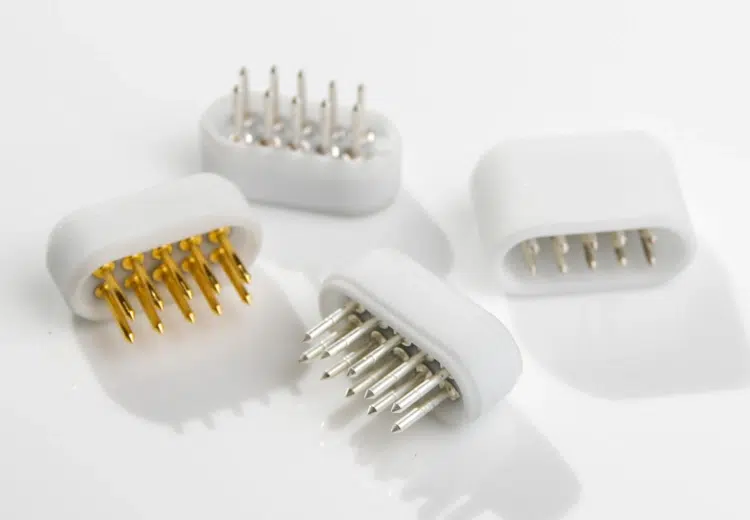
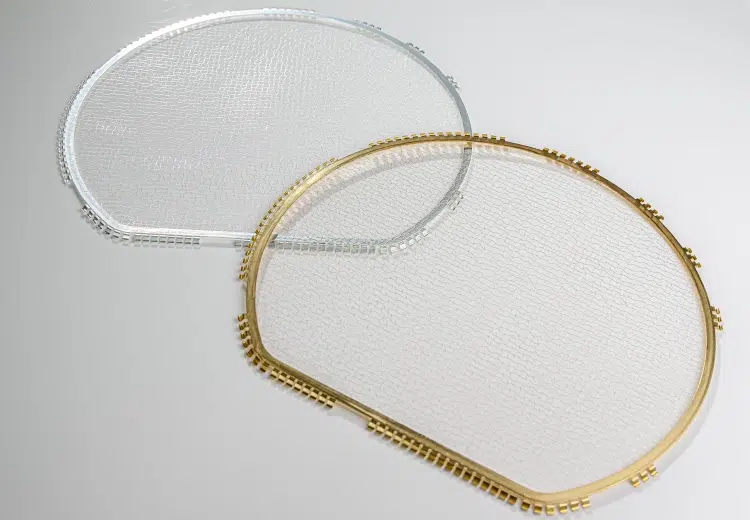
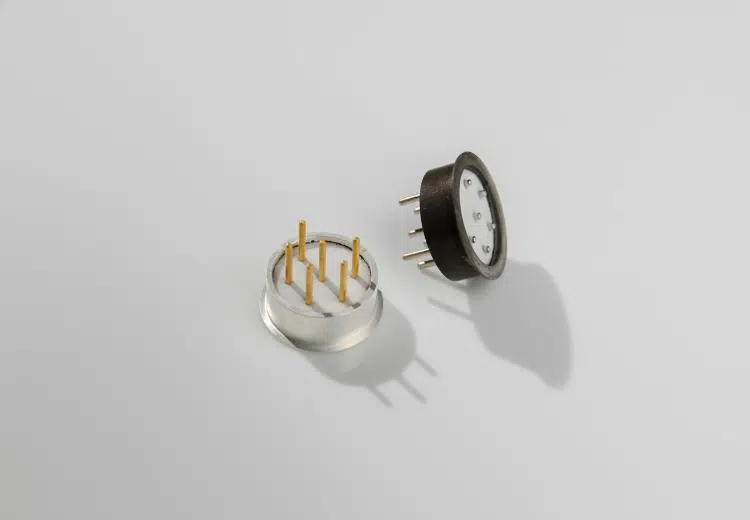
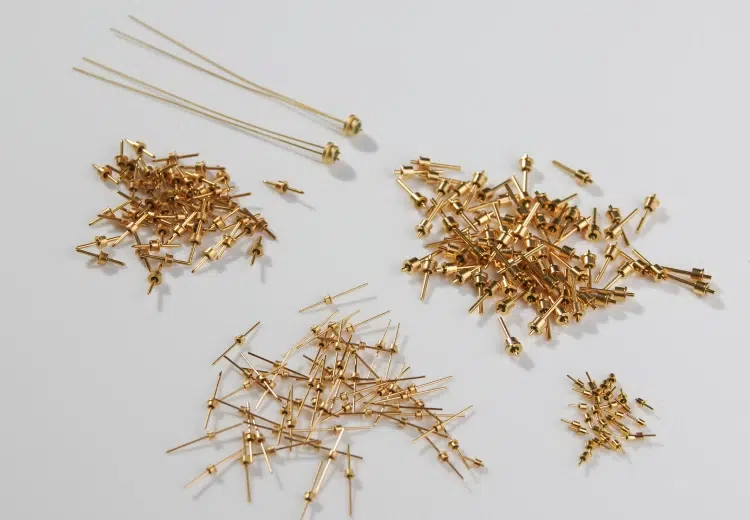
Preparation and implementation
This main process typically follows surface pretreatment. To ensure thorough surface treatment, we carefully prepare and carry out two preliminary steps:
- Degreasing: Removal of grease using chemical, mechanical, or electrolytic methods
- Stripping: Removal of oxides and impurities using chemical (acid-based), mechanical (sandblasting), or electrolytic processes.
Once these steps are complete, we monitor the temperature, the concentration of the solutions, as well as the duration and uniformity of the treatment. We also perform adhesion and thickness tests to ensure optimal results.
Learn more about surface treatment
Do you have questions about surface treatment? Find answers to the most frequently asked questions here!
What is the turnaround time for surface treatment?
Surface treatment lead times depend on several factors: the type of process used, the complexity of the parts, the quantity to be treated, and the required quality standards.
Generally speaking, standard treatments can be completed in a few days, while more technical or specialized procedures may take longer.
How do you choose the right surface treatment method?
The choice of surface treatment depends primarily on the material, the environment in which the part will be used, and the mechanical or chemical stresses to which it will be exposed.
Some treatments are designed to improve corrosion resistance, while others focus on hardness, wear resistance, or aesthetic appeal. At WIPELEC, we work with you to select the solution best suited to the functional requirements of the part.
Why is surface treatment essential after machining?
After precision machining, surface treatment helps extend the service life of your parts, improve their mechanical strength, and ensure their compliance with industry standards.
It also helps optimize component performance in harsh environments, such as those with high humidity, high temperatures, or repeated mechanical stress.
Does surface treatment affect the precision of the parts?
Certain surface treatments may slightly affect the final dimensions of the parts. For this reason, machining tolerances are factored in during the design phase to ensure that the final precision meets our customer’s requirements.
All our articles on surface treatment

Specialist in surface treatment for the aerospace industry