
Metal passivation
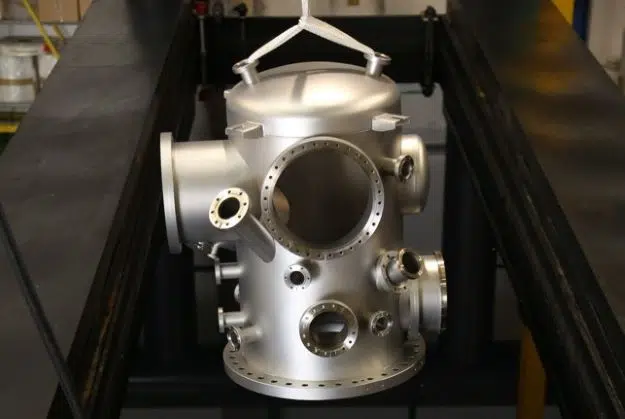
Industrial chemical passivation is a surface treatment process designed to enhance the corrosion resistance of metal parts while preserving their mechanical and dimensional properties. It is generally performed afterpickling and chemical degreasing, on perfectly clean surfaces.
Passivation is particularly recommended forparts exposed to harsh environments or high industrial stresses.
What is chemical passivation?
Chemical passivation involves creating or strengthening an invisible protective layer (protective oxide film) on the surface of the metal by immersing it in appropriate chemical baths. This layerlimits oxidation reactions, reduces the rate of corrosion, and improves the material’s long-term stability. The process is non-abrasive and acts uniformly, even in complex or hard-to-reach areas.
The Benefits of Chemical Passivation
- Improving corrosion resistance
- Stabilize the surface after stripping
- Extend the service life of metal parts
- Ensuring performance in industrial environments
- Prepare parts for end use without a coating
A controlled and secure process
Chemical passivation is performed according to a strict protocol:
- Preliminary stripping and degreasing
- Selecting the right passivation bath for the metal
- Control of processing times
- Rinsing and neutralization
- Final quality control
The entire process is conducted in compliance with applicable safety and environmental standards.
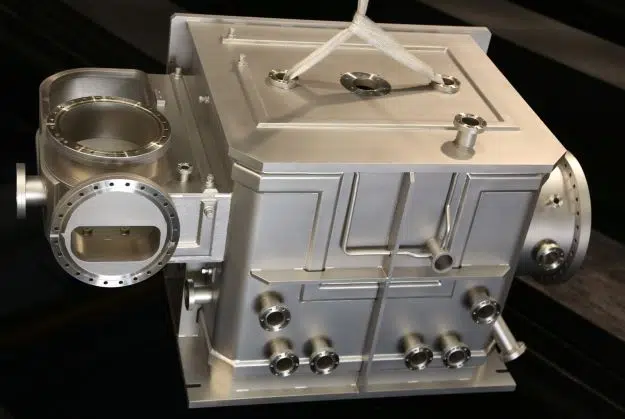
How Steel Passivation Works
Steel passivation is a surface treatment process used to create or enhance the metal’s resistance to corrosion by removing iron residues.
This chemical process takes place in two steps:
- Contact with the acidic solution: the acidity of the product (citric or nitric acid) will dissolve the iron particles.
- The formation of a protective layer: when exposed to air, the metal oxidizes to combat natural corrosion and reactive agents
An additional step following chemical stripping
Passivation is the final step in a comprehensive chemical treatment process, following pickling and degreasing. It ensures the durability of the finished product and the long-term reliability of metal parts.
Need industrial chemical passivation?