
Electroforming: an industrial electroplating technique
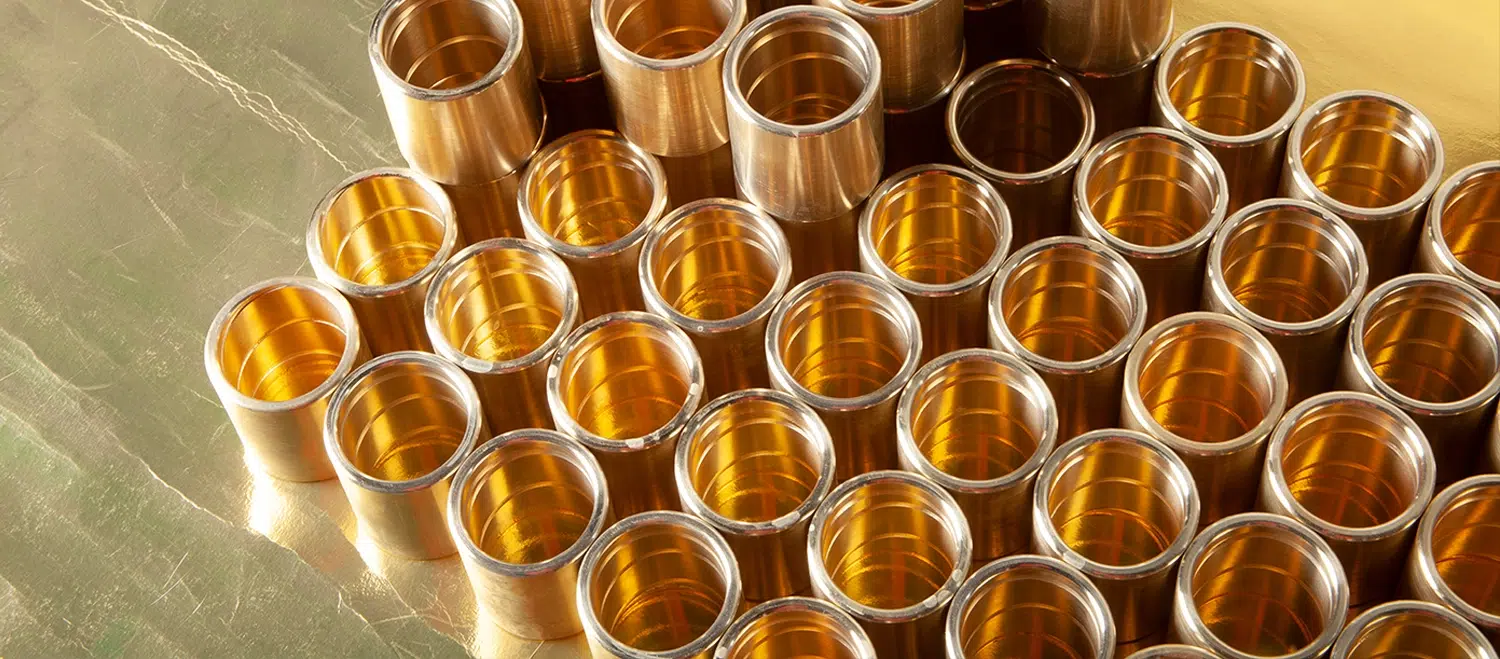
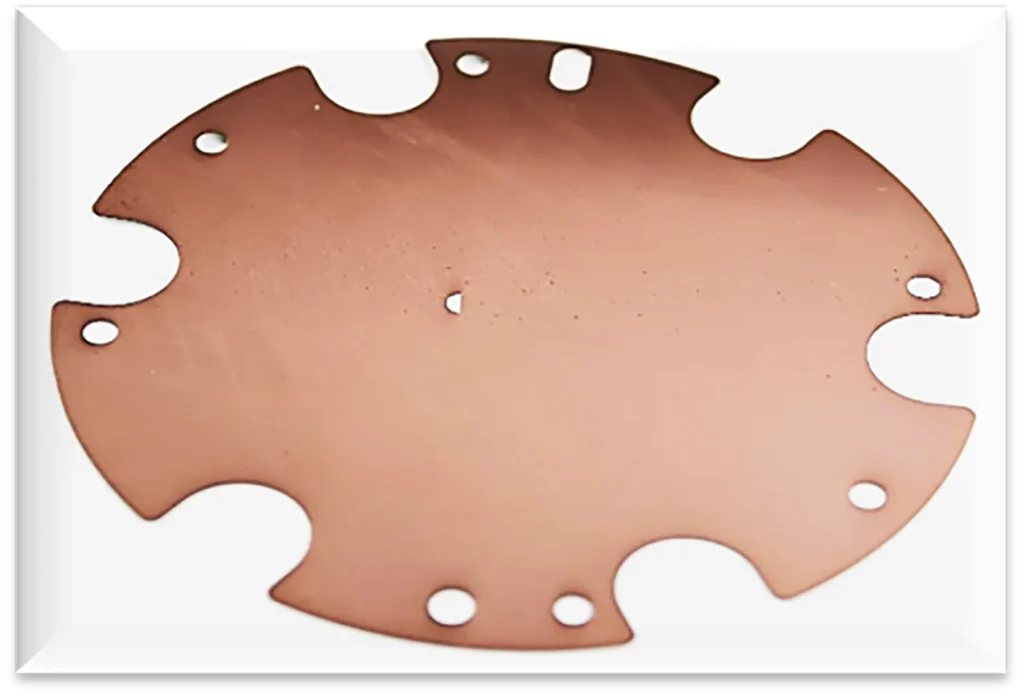
This technique involves depositing a metal layer (nickel, copper, gold, etc.) onto a substrate onto which the part to be produced has been previously reproduced using a photographic process or in 3D on a machined mandrel. Once the desired thickness is achieved, the part is separated from its substrate. Using this process, WIPELEC produces parts of very thin thickness or featuring very fine openings (5 µm).
How Electroforming Works
Electroforming is a manufacturing process that creates metal parts by depositing metal onto a mandrel (or mold) through electrolysis.
Surface preparation
For 3D-printed parts, the support is a mandrel made of a conductive material that serves as an exact replica of the final geometry of the part to be produced, including all surface details.
For flat parts, we use a metal plate on which we create a negative image of the part to be produced.
Electrolytic metal plating
We can produce parts made of copper, nickel, silver, and gold.
Removal of the substrate
Once the desired metal thickness is achieved, the substrate. Depending on its nature, it may be:
- Dissolved (for soluble chucks)
- Melted (for materials with a low melting point)
- Mechanically removed (for rigid media)
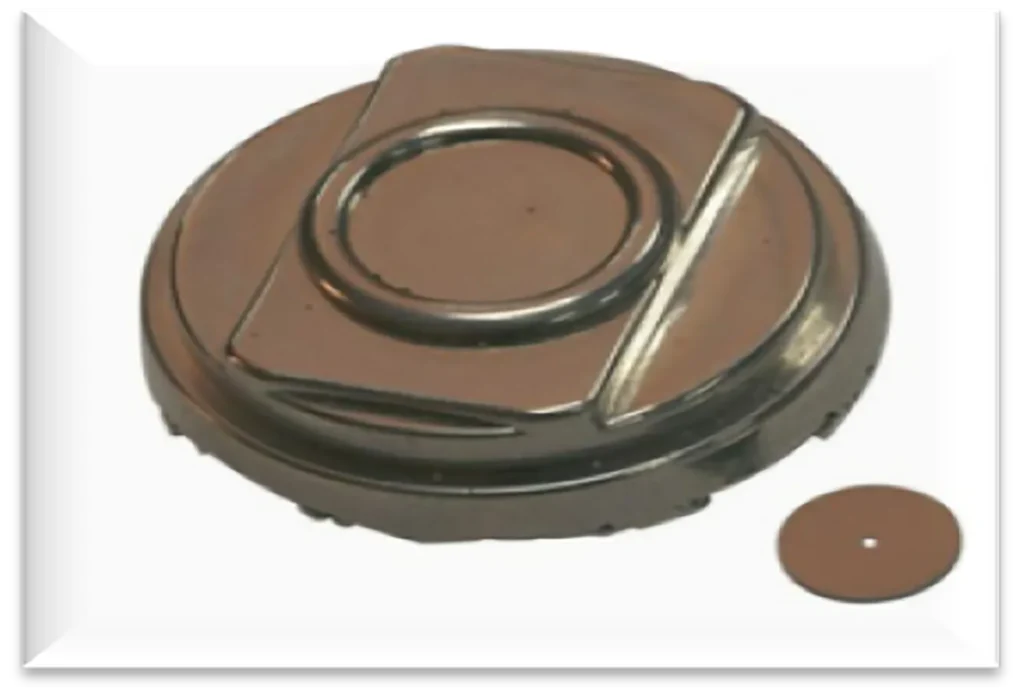
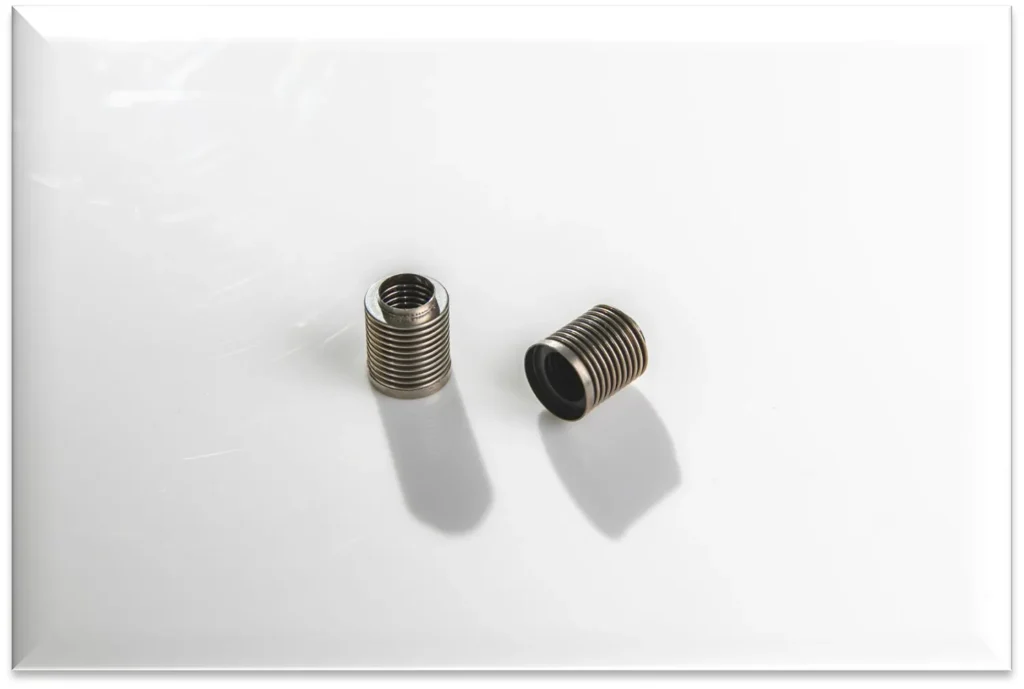
High-precision metal electroforming
Advantages of the process
- Note: It is possible to produce parts with very thin walls, with openings that can be smaller than the material thickness.
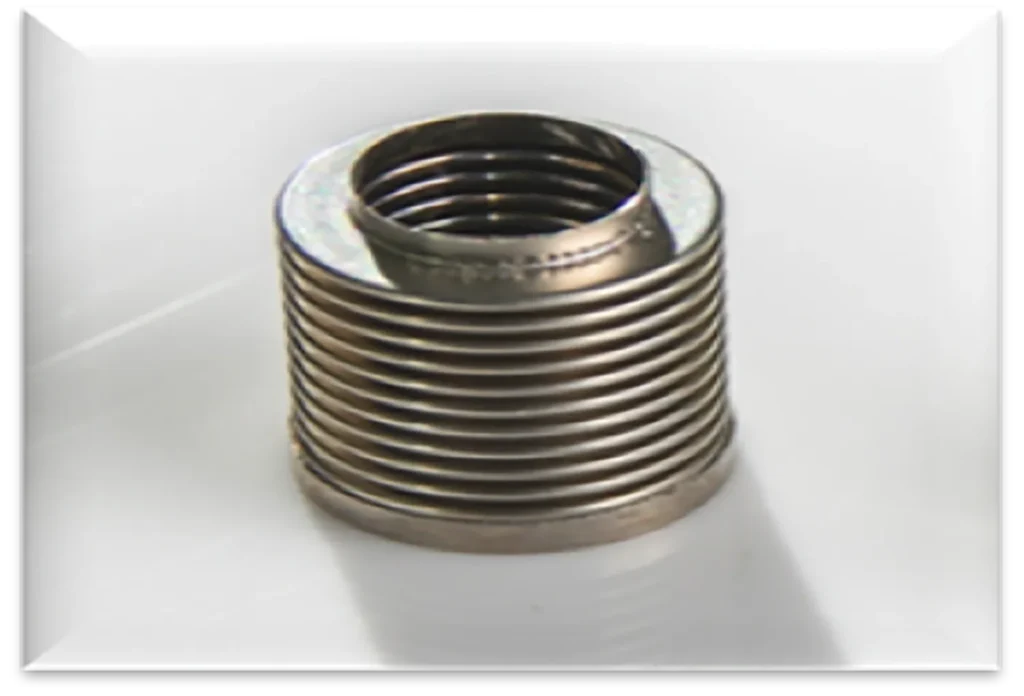
- Complexity: Ability to produce highly complex geometric shapes, such as bellows.
Learn more about electroforming
Do you have questions about electroforming? Find answers to the most frequently asked questions here!
What types of metals can be used in this process?
Copper, nickel, and gold are the metals most commonly used in industrial electroforming. The choice depends on the application, the required mechanical strength, and the desired finish.
For example, nickel is valued for its hardness and dimensional stability, copper for its conductivity and cost, and gold for its corrosion-resistant properties and aesthetic finish. Some processes even allow for the combination of multiple metals to produce parts with specific characteristics.
What are the limits on the precision and thickness of electroformed parts?
Electroforming allows for very precise control of metal thickness, typically ranging from 4 to 200 µm. It is even possible to create openings thinner than the thickness of the material itself, which is impossible with other metallurgical processes.
This precision makes electroforming ideal for applications requiring complex details, microstructures, or miniaturized parts, such as in electronics or optics.
Is electroforming suitable for high-volume production?
The electroforming process can be scaled up for mass production. It is particularly well-suited for parts that require high dimensional repeatability and a high-quality surface finish.
Thanks to precise control of the electrolytic bath and current, every part produced maintains the same thickness and mechanical properties. However, deposition time remains a factor to consider when producing large quantities.
Is it possible to electroform parts with very complex or hollow shapes?
Electroforming is the ideal solution for manufacturing complex parts, hollow parts, or parts with extremely fine openings. Since the metal is deposited layer by layer onto the mandrel, it is possible to reproduce geometries that are difficult to achieve through traditional machining or casting. This includes internal structures, grids, or microscopic perforations, which is particularly useful in electronics, optics, or micromechanics.