
Ceramic-to-metal brazing
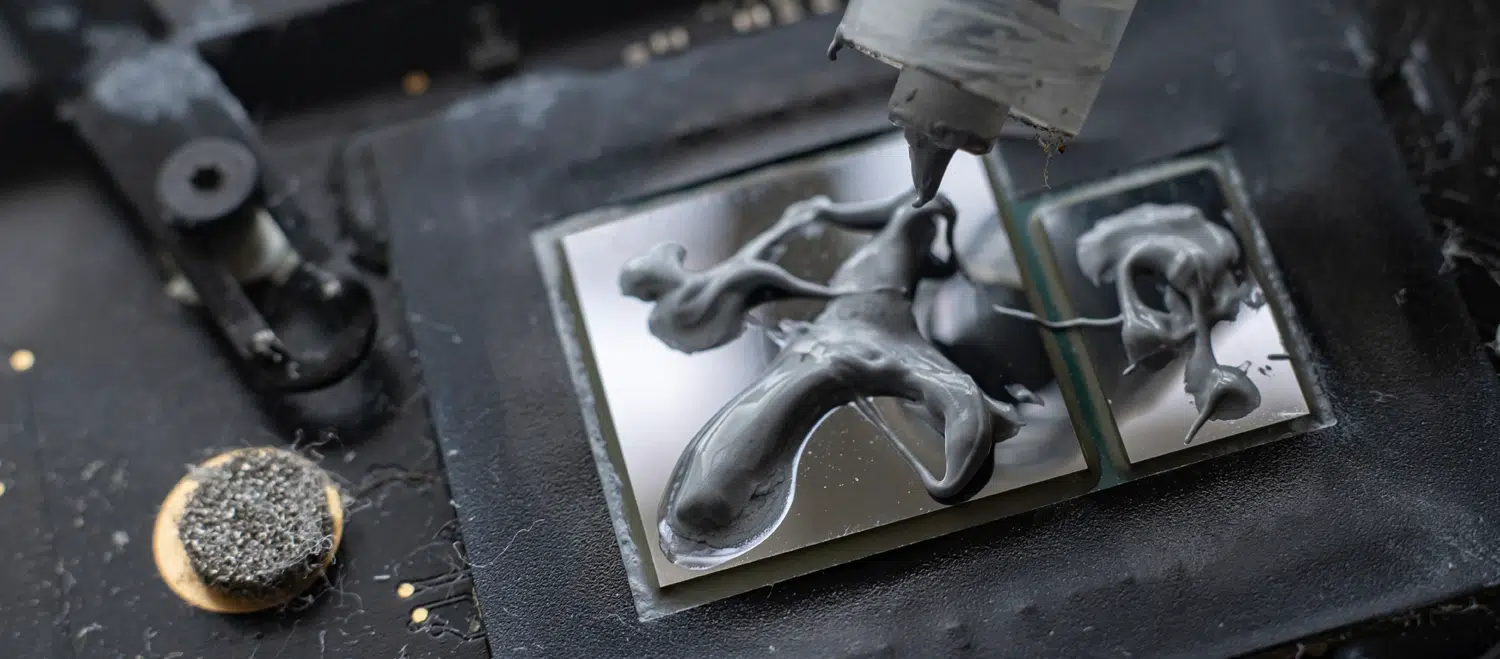
In the case of ceramic-to-metal brazing, this process enables the durable joining of materials of very different natures, particularly engineering ceramics and metals. The filler metal, which has a melting point higher than 450 °C but lower than that of the materials being joined, infiltrates the surfaces to be joined through capillary action and diffusion, ensuring a homogeneous, hermetic, and mechanically strong bond.
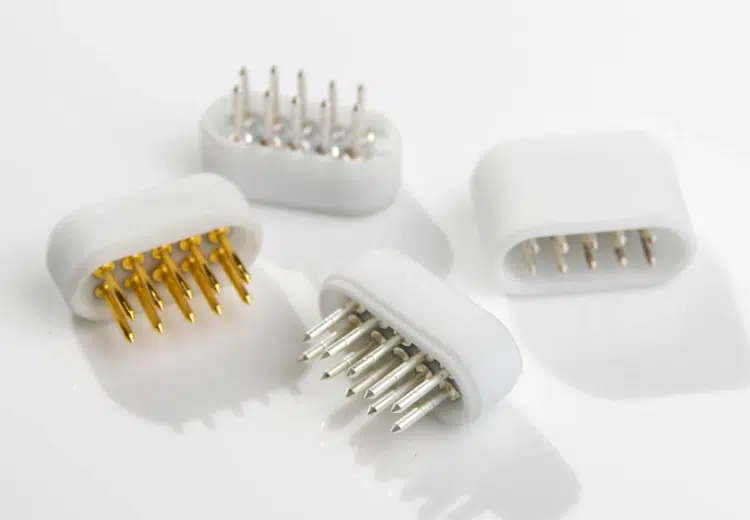
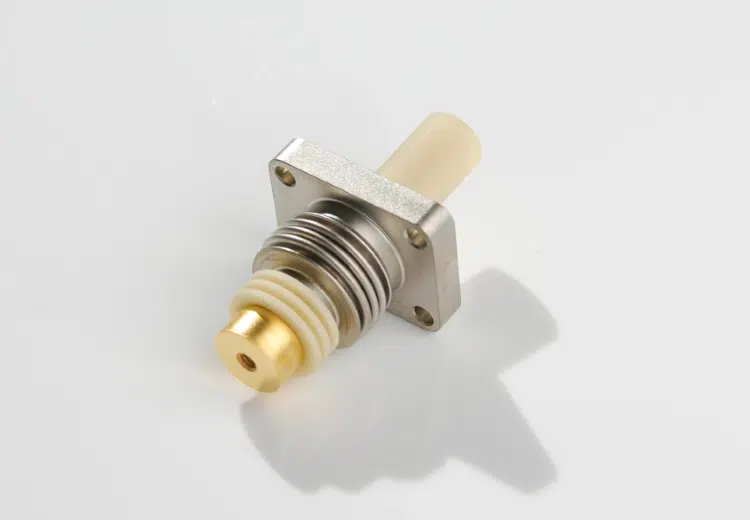
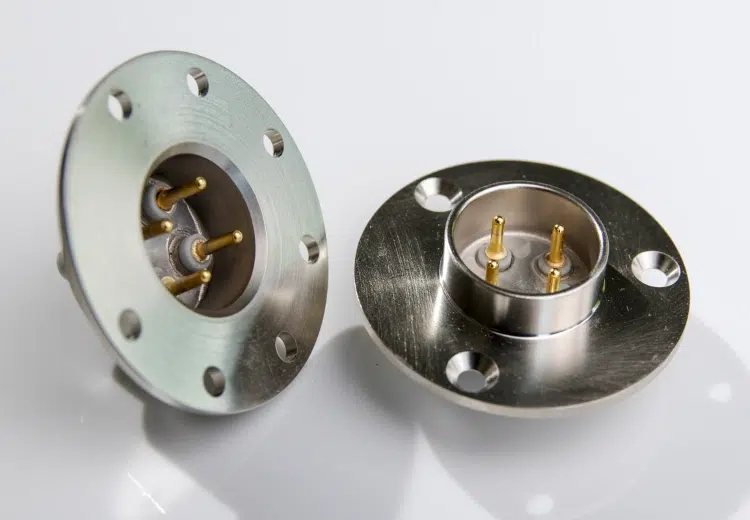
Thanks to its expertise, WIPELEC specializes in the assembly of a wide range of technical ceramics (alumina (97.4% to 99.99%), zirconia, alumina-zirconia, silicon nitride, aluminum nitride, silicon carbide) with various metals such as titanium, ferronickel alloys, stainless steel, aluminum, or Inconel. This expertise enables the design of custom solutions perfectly tailored to the functional requirements of each application.
Why use this process?
Resources and equipment
- High-temperature gas furnace (1600°)
- Vacuum oven (1300°)
- Drying Oven
- Leak detector
- Megohmmeter
Available materials
- Aluminum oxide (alumina, sapphire, ruby)
- Zirconium oxide
- Aluminum nitride
- Silicon carbide
- Silicon nitride
- Boron carbide
Benefits
Strong and lasting connections
Brazing produces joints with mechanical strength comparable to that of the base materials, along with excellent resistance to corrosion and aging.
Joining dissimilar materials
This process allows materials with very different properties (ceramics and metals) to be joined without creating heat-affected zones, unlike some welding processes.
Low thermal distortion
Since the base components are not melted, internal stresses, deformation, and the risk of cracking are significantly reduced.
Precision and aesthetic quality
Brazing produces clean, precise, and repeatable joints that require little or no rework, which is essential for high-value-added applications.
What is the brazing process?
Brazing follows a rigorous process to ensure the quality and reliability of the assembly:
1 - Preparing the parts
The surfaces to be joined are thoroughly cleaned to remove any contaminants (oxides, grease, particles). This step is essential to ensure proper wetting of the filler metal.
2 - Selection of the filler metal
The choice of filler metal depends on its compatibility with the materials to be joined and the required performance characteristics (mechanical strength, thermal or electrical conductivity, corrosion resistance). The alloys used may be based on silver, copper, aluminum, or nickel.
3 - Controlled atmosphere packaging
Depending on the materials and the joint specifications, brazing is performed in an inert gas atmosphere or under vacuum to minimize oxidation and optimize the metallurgical quality of the joint.
4 - Controlled heating
The parts are heated uniformly to the melting temperature of the filler metal. Controlling the heating cycle is essential to ensure uniform diffusion and a reliable bond.
5 - Capillary seal formation
The filler metal melts and flows by capillary action between the surfaces to be joined. After controlled cooling, it forms a continuous, strong, and durable joint.
6 - Cooling and Controls
After cooling, dimensional, electrical, and leak tests can be performed to verify that the brazing meets the application specifications.

Learn more about brazing ceramics and metals
Do you have questions about brazing ceramics and metals? Find answers to the most frequently asked questions here!
What is ceramic-to-metal brazing used for?
Ceramic-to-metal brazing is used to join components subjected to high stresses in applications where adhesive bonding or conventional welding are not suitable. It is used to ensure a reliable, durable, and sometimes hermetic bond between materials with very different properties.
In which industrial sectors is this process used?
This process is used in microelectronics, aerospace, the medical field, the nuclear industry, scientific instrumentation, and power equipment.
Why use ceramic instead of a metallic material?
Ceramics offer excellent electrical insulation, thermal resistance, dimensional stability, and chemical resistance, often surpassing those of metals.
Is ceramic-to-metal brazing compatible with vacuum environments or high temperatures?
When properly designed, a ceramic-to-metal brazed joint can operate in a vacuum, at high temperatures, and in harsh environments without any loss of performance.
Can you create custom assemblies?
Each brazing process is typically customized to meet the mechanical, thermal, electrical, and geometric requirements of the application.
What is the service life of a ceramic-to-metal brazed joint?
The service life is very long and often matches that of the end equipment. The inorganic materials used make the assembly highly resistant to aging.