
Specialist in precision machining and wire EDM
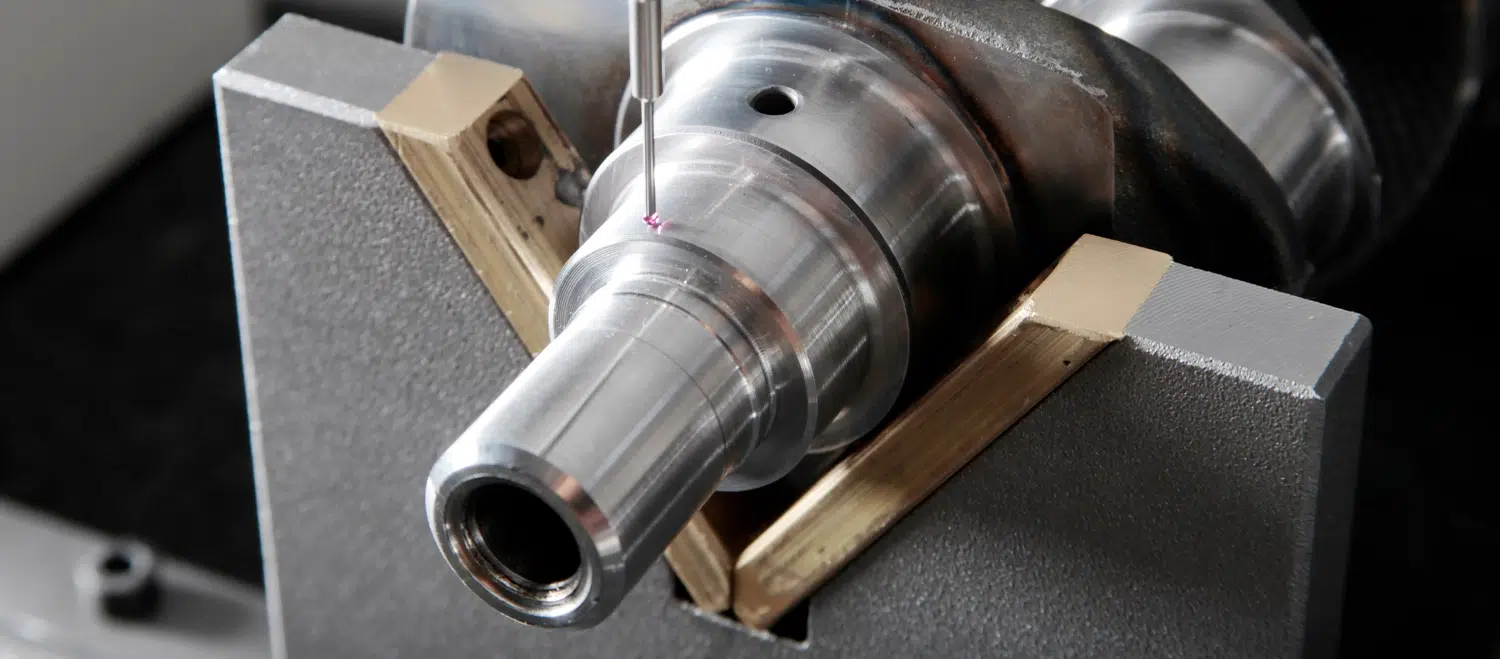
Precision machining combined with wire EDM enables the production of complex mechanical parts with very tight tolerances, offering a high level of reliability and repeatability. Using state-of-the-art CNC machine tools, we manufacture parts that meet the most stringent requirements across various industries.
Machining involves removing material to achieve a shape, dimensions, and finish that precisely meet the specifications. This approach ensures high dimensional accuracy, down to one-hundredth of a millimeter.
Precision Machining
Technical resources
- High-precision CNC machining centers
- Wire EDM for complex shapes
- Digital cutting table
- Digital tours
Benefits
- Extremely high dimensional and geometric accuracy
- Excellent surface quality and meticulous finishes
- Reliability and repeatability of the parts produced
- Machining of engineering materials: titanium, stainless steel, aluminum, and special steels
- Reduced manufacturing lead times and production costs
- Production of high-quality prototype parts
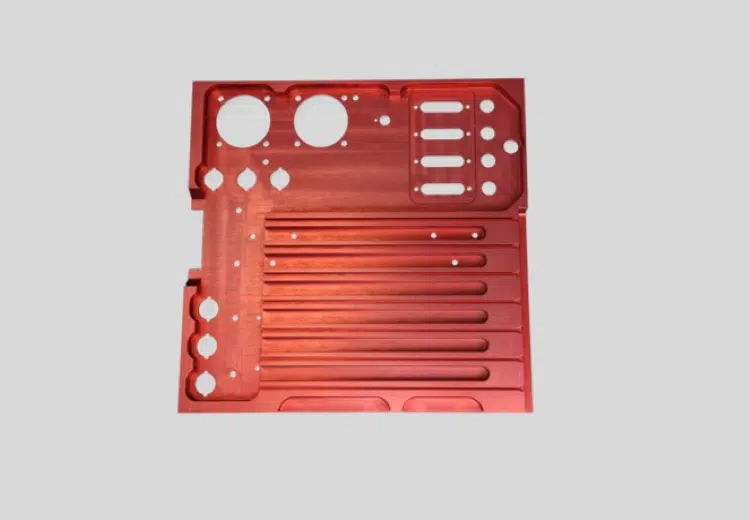
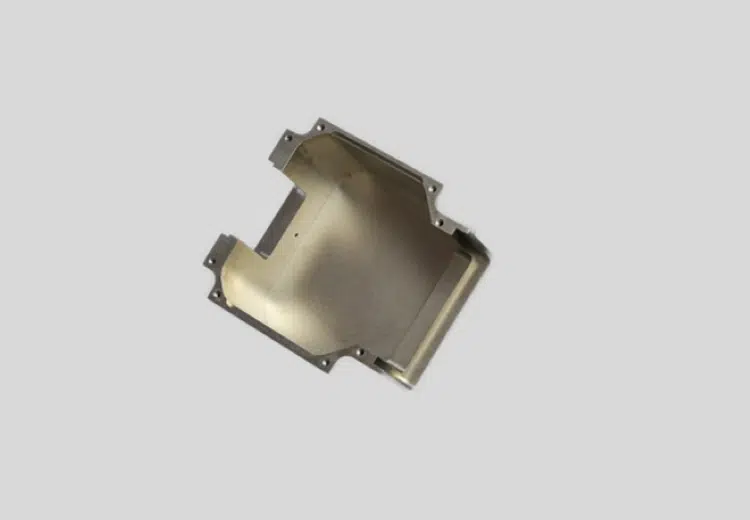
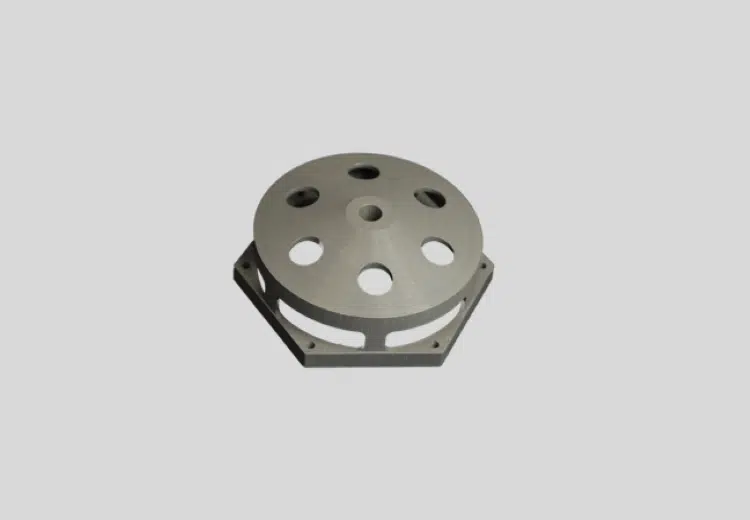
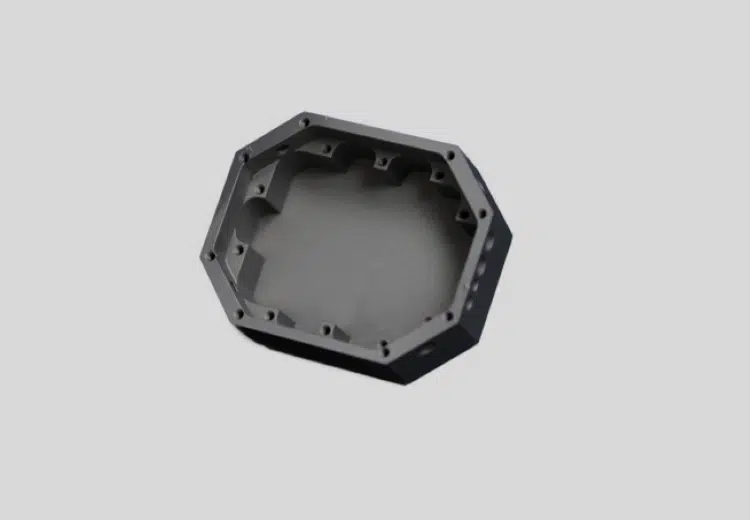
The steps in the machining process
To ensure optimal results, precision machining relies on a rigorous and structured process.
Modeling of workpieces
The first step involves designing the part using CAD and 3D modeling tools. This phase allows us to validate the geometry, tolerances, and manufacturability, particularly for complex mechanical parts.
Selection of machining processes
Machining techniques are selected based on the material and technical requirements:
- milling
- bar turning
- drilling
- correction
Machining the part
The raw part is then machined using CNC machines or hand tools. The machinist shapes the material to achieve the final form and desired finish, while adhering to the specified tolerances.
Inspection of mechanical parts used
Every machined part undergoes a quality control inspection using precision measuring instruments to verify its dimensional, mechanical, and functional characteristics.
Areas of expertise
Thanks to the quality and precision of the parts produced, precision machining meets the demands of high-pressure industries:
- aerospace machining
- medical machining
- automotive machining
- spatial machining
Learn more about precision machining
Do you have questions about precision machining? Find answers to the most frequently asked questions here!
How precise is precision machining?
Precision machining processes enable the achievement of extremely tight tolerances, down to 0.01 mm or even tighter, depending on technical requirements.
What is the advantage of machining over bar turning?
Bar turning is a process primarily used to produce cylindrical parts from bar stock using automatic lathes.
Precision machining encompasses a wide range of techniques (milling, drilling, grinding) and enables the production of parts in a variety of shapes, including complex and large-scale designs. It offers greater flexibility, particularly for custom parts, prototypes, and short runs.
What types of parts are produced through precision machining?
Precision machining is used on a wide range of materials, including steel, stainless steel, titanium, aluminum, brass, bronze, and others.
Machined parts are used in a wide range of industries, including aerospace, automotive, nuclear, construction, rail, and food processing.
Even without drawings, our teams can analyze the part, conduct a functional analysis, and design the manufacturing drawings.
What is the difference between mechanical engineering and precision machining?
Precision engineering focuses on the production of parts with extremely high dimensional accuracy, often for small components.
Precision machining, on the other hand, makes it possible to produce parts of all sizes with excellent precision and a high-quality surface finish.
| Method | Benefits |
|---|---|
| Precision Machinery | - Extremely high dimensional and geometric precision - Parts for high-tech industries- High complexity |
| Precision machining | - Parts of all sizes with high precision and an optimal surface finish- Hard and durable materials (metal, ceramic, etc.) |
What are the advantages of wire EDM?
Wire electrical discharge machining (WEDM) is a machining process that cuts conductive materials using an electrically charged wire immersed in a dielectric fluid (a liquid that provides electrical insulation).
Its main advantages:
- Extremely high machining precision
- Production of complex shapes
- Clean, high-quality cuts
- High flexibility
- Suitable for very hard metals: hardened steel, stainless steel, titanium, carbides
What are the main applications of precision machining?
Precision machining is used in many industries where components must achieve micrometer-level precision to ensure the safety, reliability, and performance of the systems in which they are integrated.
For example, in the aerospace industry, precision machining is used to manufacture engine parts, heat exchanger components, onboard mechanical systems, and satellite parts, all of which are subjected to extreme stresses.
In the medical field, precision machining is essential for the production of implants, prosthetics, and miniaturized surgical instruments, which require extremely tight dimensional tolerances and a flawless finish.
Why choose Wipelec for machining?
- A comprehensive and high-performance fleet of machinery
- Over 20 years of experience in machining and precision engineering
- High adaptability and responsiveness
- A single point of contact throughout your project