Chemical and electrochemical cutting
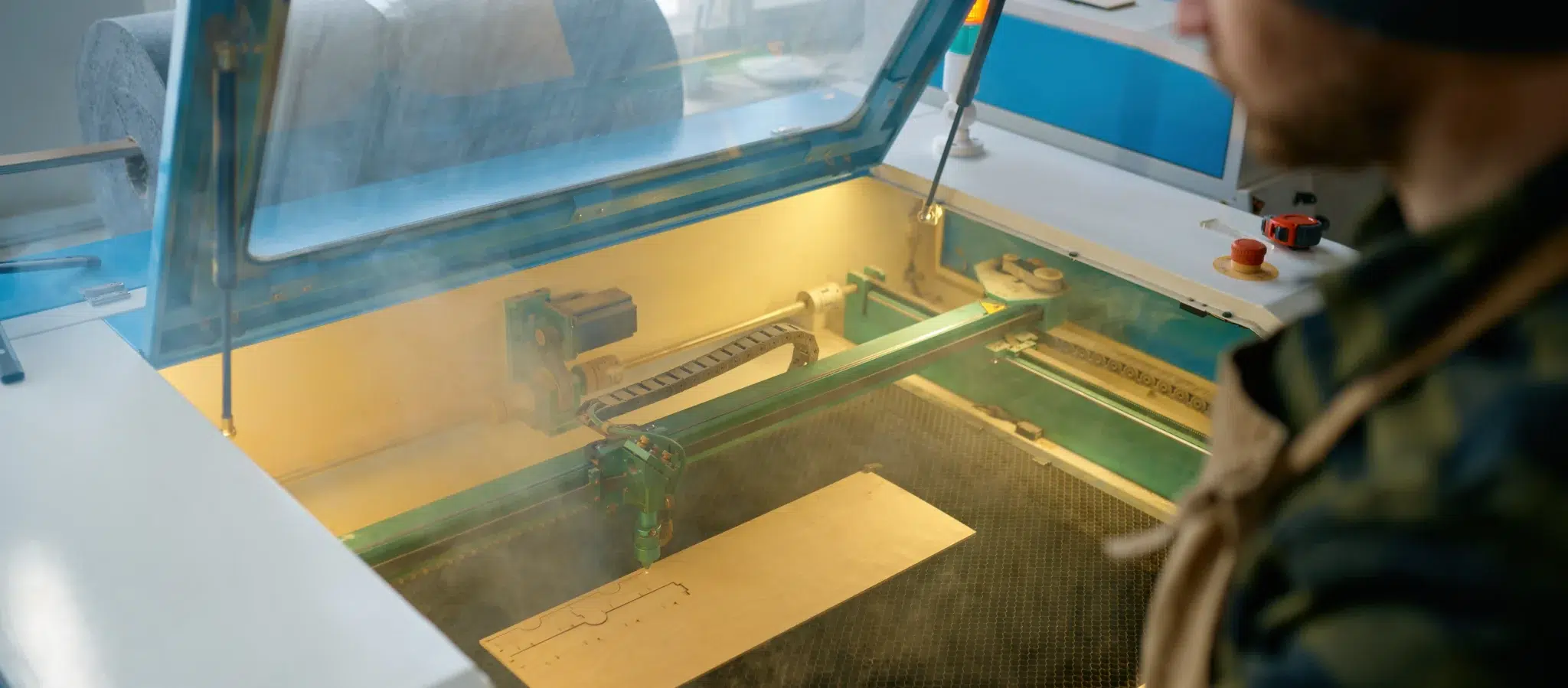
Chemical and electrochemical cutting is the ideal solution for producing high-precision metal parts free of mechanical stress, burrs, or distortion. At WIPELEC, with over 40 years of expertise, we have mastered these processes to meet the demands of various industrial sectors.
How does chemical etching work?
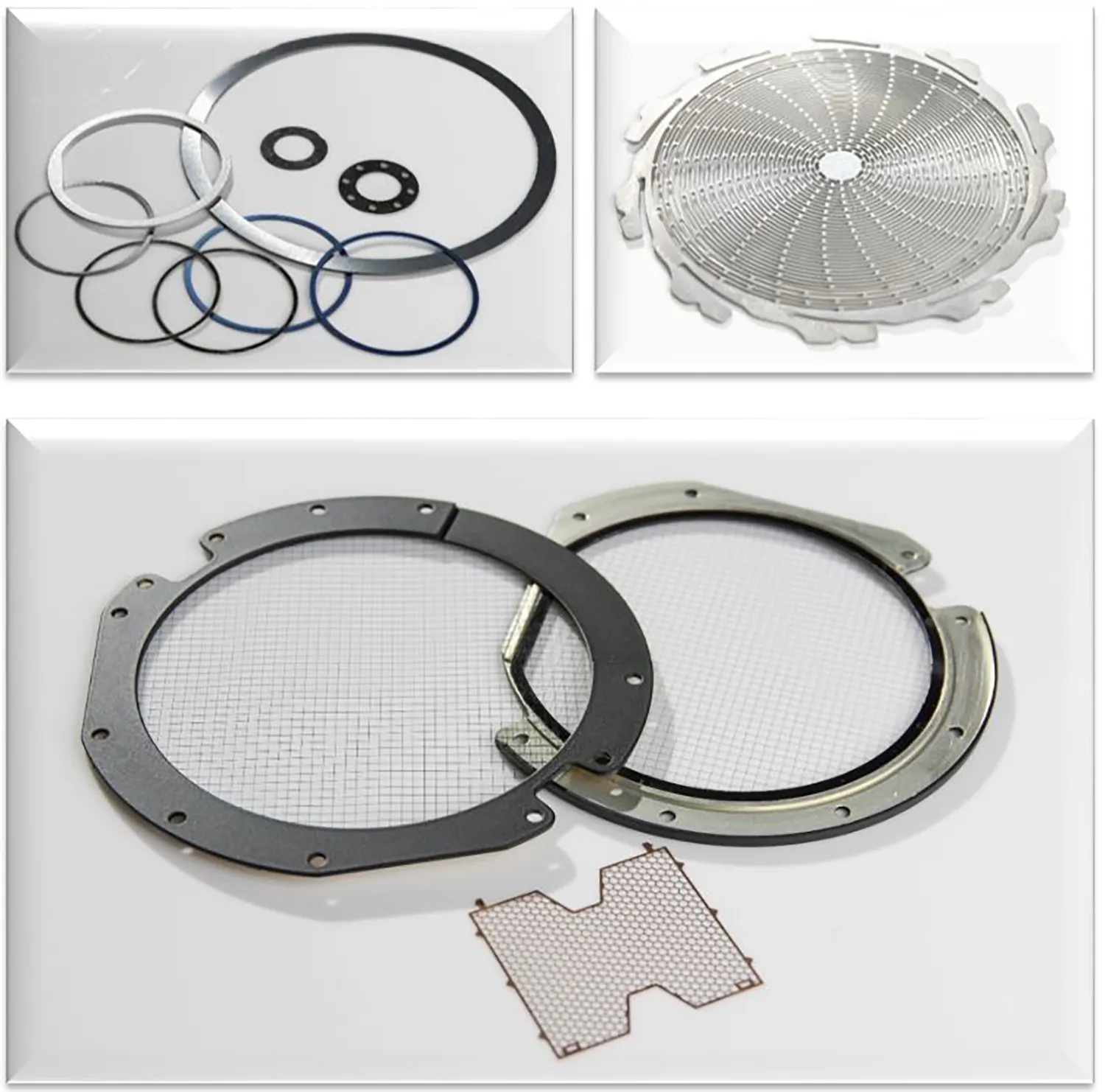
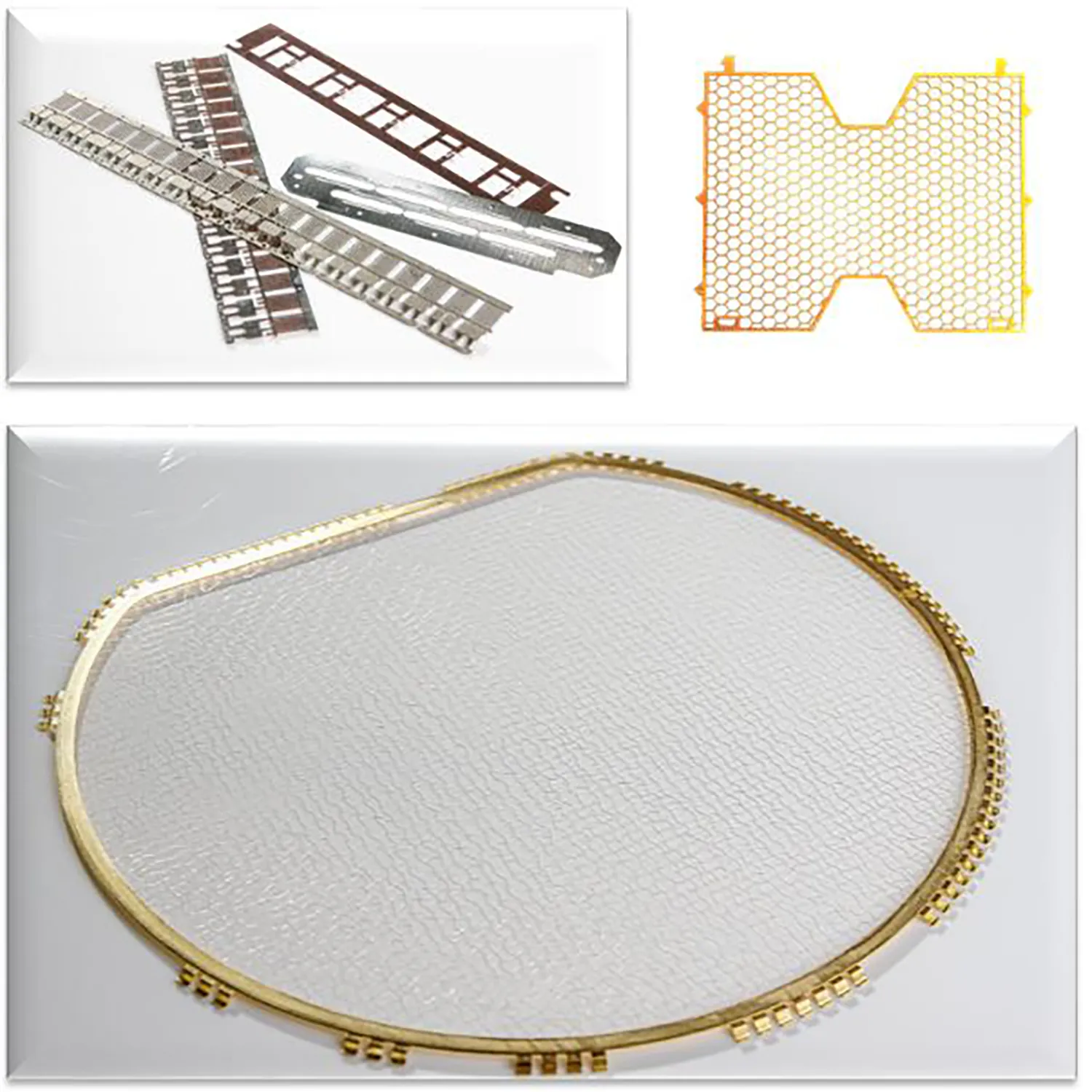
Chemical cutting is a manufacturing process that involves chemically dissolving a metal sheet to produce complex, precision parts. Unlike mechanical or laser machining, this process does not generate mechanical stress, burrs, or material deformation, making it the preferred solution for parts with demanding technical specifications.
As for electrochemical cutting, the process is similar, but it also usesa direct current, which makes it possible to process metals that cannot be cut using purely chemical methods.
Advantages of chemical etching
- Extreme precision: Ideal for thin, complex parts, even with minimal thickness (up to 2 mm).
- Flexibility: Compatible with a wide range of metals (steel, stainless steel, nickel, brass, molybdenum, tungsten, titanium, etc.) and suitable for production runs ranging from prototypes to large-scale manufacturing at a competitive cost
- Surface quality: Optimal finish, free of burrs, warping, or stress, which is crucial for demanding industries such as aerospace, medical, defense, and aviation.
- Short lead times: A streamlined process for prototyping and small-batch production, with cost control.
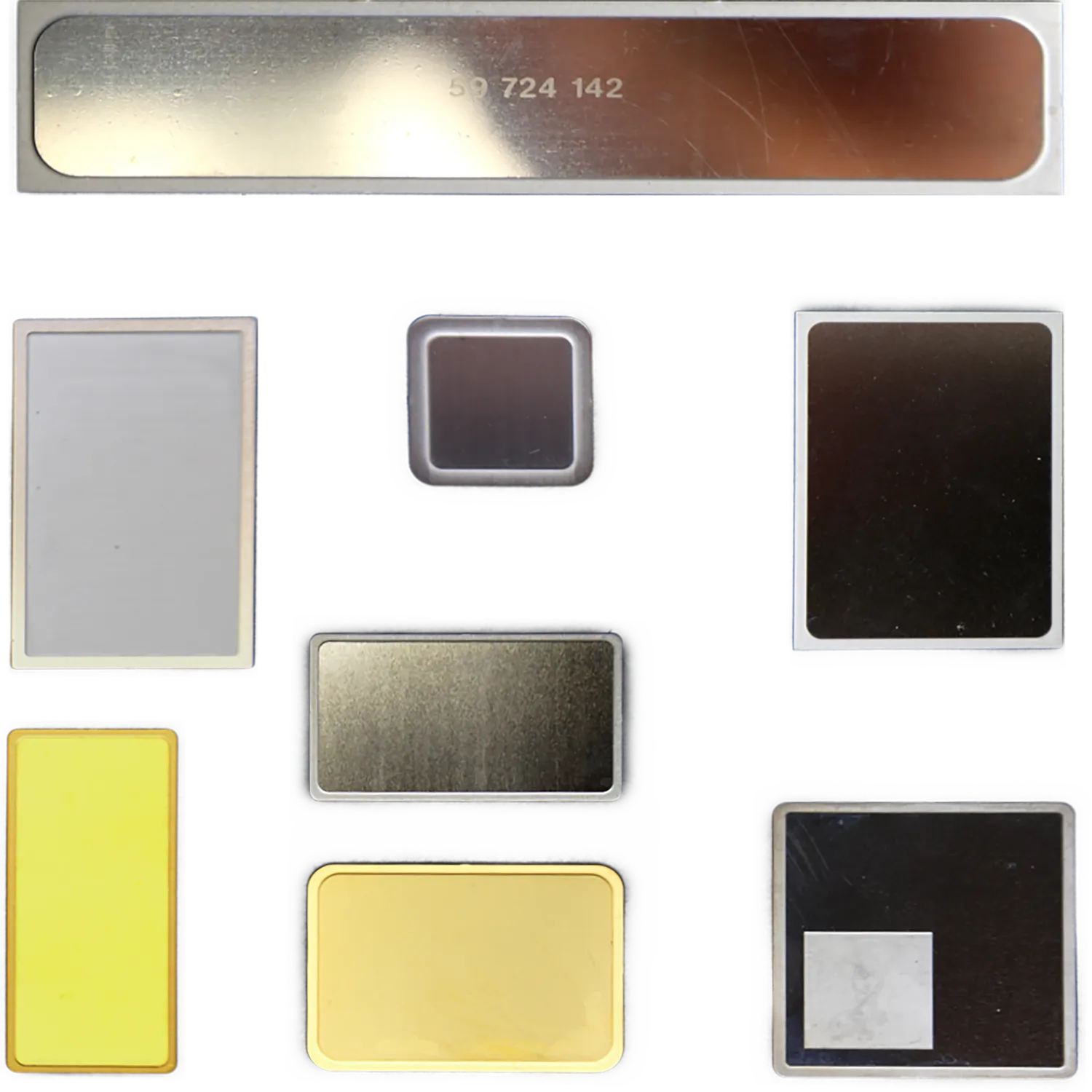
Compatible materials
Nickel, steel, stainless steel, Kovar, copper, brass, bronze, copper-beryllium, Inconel, aluminum, molybdenum, tungsten, titanium.
Why choose chemical etching over other processes?
To precisely meet your metal cutting needs, it is essential to fully understand the specific characteristics of each available process. Chemical cutting, our specialty at WIPELEC, stands out for its ability to produce parts with micrometer-level precision without altering the material, making it ideal for thin strips and hard metals.
However, depending on the thickness of your sheet metal, the desired production volume, or the type of alloys you use, other techniques such as laser cutting, electroforming or waterjet cutting may be considered. Each technique is suited to specific applications: some are suitable for very thin strips, others for thicker sheets; some are better suited to large production runs, while others are more appropriate for low volumes. The level of precision and the quality of the cut also vary depending on the process used.
| Cut type | Quantity | Subject | Cut quality | Standard tolerances (% of material thickness) |
|---|---|---|---|---|
| Chemical etching | From prototype to mass production | Fine, thick (>2 mm), and hard material | Excellent: no smudges, no signs of tearing, no heat-affected areas | ±10% |
| Laser cutting | Prototype to small-scale production | Thick, hard material | With burrs, no signs of cracking, and with heat-affected zones | ±5% |
| Electroplating | Prototype to small-scale production | Fine, hard material (nickel and copper only) | No smudges, no signs of cracking, and no heat-affected zones | ±5% |
| Waterjet cutting | Prototype to small-scale production | Thick and sometimes hard material | With burrs, sometimes early signs of cracking, but no heat-affected zones | ±25% |
The 6-step process
At WIPELEC, every project is carried out with the utmost attention to process detail, which is essential for ensuring the quality, repeatability, and compliance of the final parts.
1 - Photography equipment
Creation of a photographic template that provides an accurate negative image of the part to be manufactured. Once created, the photographic template can be reused for numerous production runs.
2 - Metal preparation and application of a photosensitive layer
Cleaning the metal plate and applying a very thin layer of photosensitive material.
3 - Exposure: Reproducing the image using the equipment
Transferring the image of the part onto the resin using photographic equipment.
4 - Development: Removal of the photosensitive film to expose the areas to be etched
Removal of the unexposed resin, revealing the areas to be dissolved.
5 - Etching: Chemical removal of unprotected areas
Chemical etching of unprotected areas to achieve the desired shape.
6 - Stripping: Complete dissolution of the photosensitive film
Remove the remaining resin to release the finished part.
Learn more about chemical and electrochemical etching
Do you have questions about chemical and electrochemical etching? Find answers to the most frequently asked questions here!
What is the minimum size for photochemical etching components?
At WIPELEC, chemical etching allows us to achieve minimum dimensions of 0.2 mm with a precision of ±8–10% of the metal’s thickness.
What chemical is used for cutting?
We primarily use ferric chloride, a recyclable, safe chemical etching agent that can be reused multiple times. Other chemicals are also used, such as nitric acid, for example.
How much does chemical cutting cost?
Chemical cutting uses inexpensive tools, which allows prototypes to be produced at a competitive cost. The cost depends on the thickness of the material and the size of the components. You pay per sheet of metal used, which reduces the unit price for large quantities.
Please feel free to contact us for a customized quote for your project.
What are the maximum quantities produced for chemical etching?
There are no limits— our digital tools enable us to produce millions of parts quickly and cost-effectively.
What are the production lead times?
Delivery times are quick: a few days for standard components, and up to two weeks for complex projects. At WIPELEC, urgent orders are given priority.
What sheet metal thicknesses can be cut?
We cut sheet metal ranging in thickness from 0.010 mm to 2 mm. For thicknesses greater than 2 mm, other processes may be more suitable.