
Bending and assembly of metal components
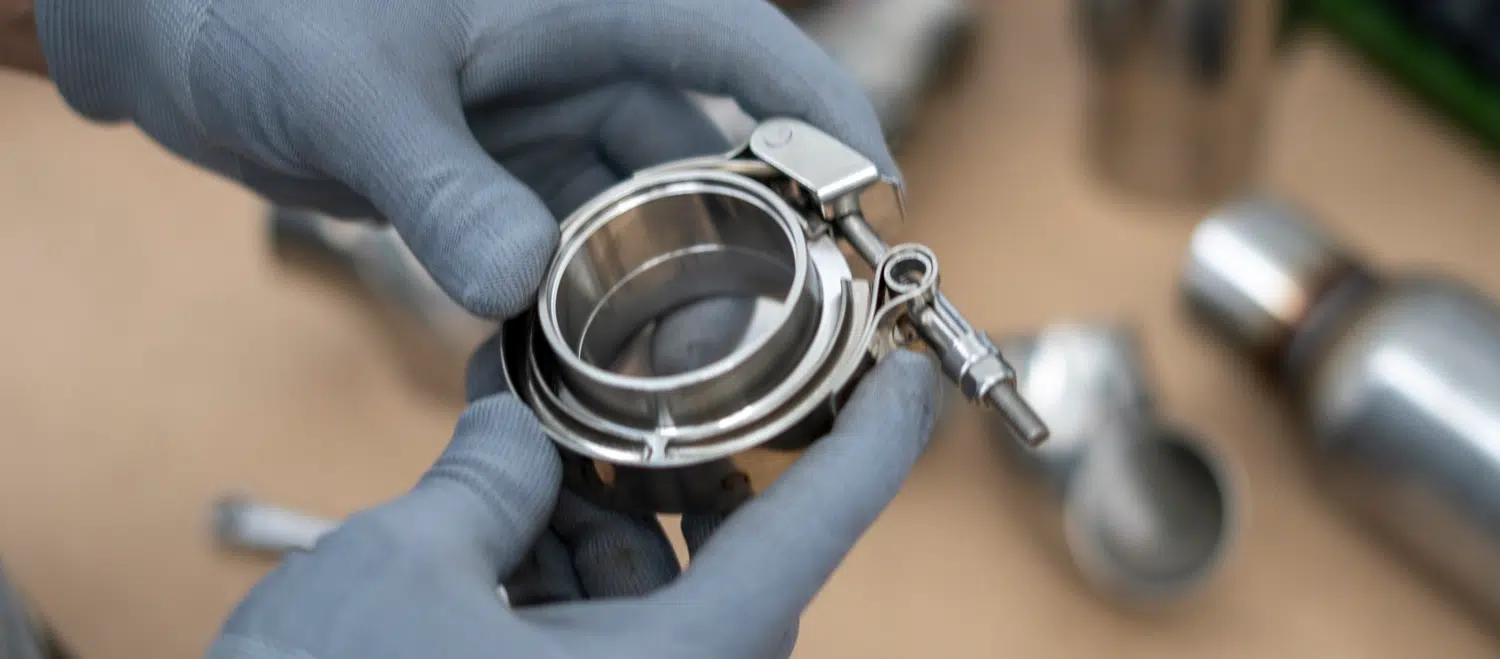
The bending and assembly of metal components are essential steps in the manufacture of metal parts and structures intended for demanding industrial applications. These processes give components their final shape while ensuring mechanical strength, dimensional accuracy, and long-term reliability.
Used in conjunction with precision machining, bending and assembly meet the needs of many industries, including aerospace, automotive, medical, energy, and industrial construction.
The camber
Roll forming is a metal-forming process that involves creating a gradual curve in a metal part without breaking the material. Unlike bending, which produces a sharp angle, roll forming produces rounded, continuous, and uniform shapes.
This process is particularly well-suited for parts that require a specific geometry while maintaining their mechanical properties. Bending can be performed on various materials, such as steel, stainless steel, aluminum, and certain engineering alloys.
The Benefits of Metal Bending
- Compliance with the material's mechanical properties
- High precision in formatting
- Capability to produce complex parts
- High repeatability for small and medium-sized production runs
- Easy integration into an overall industrial process
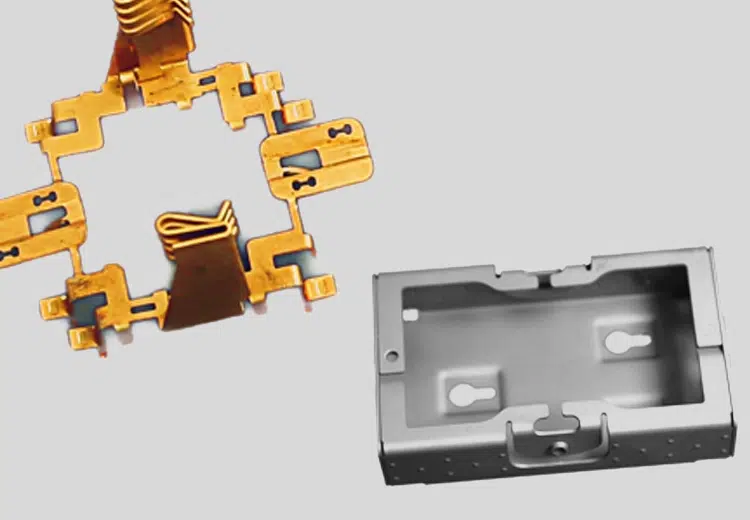
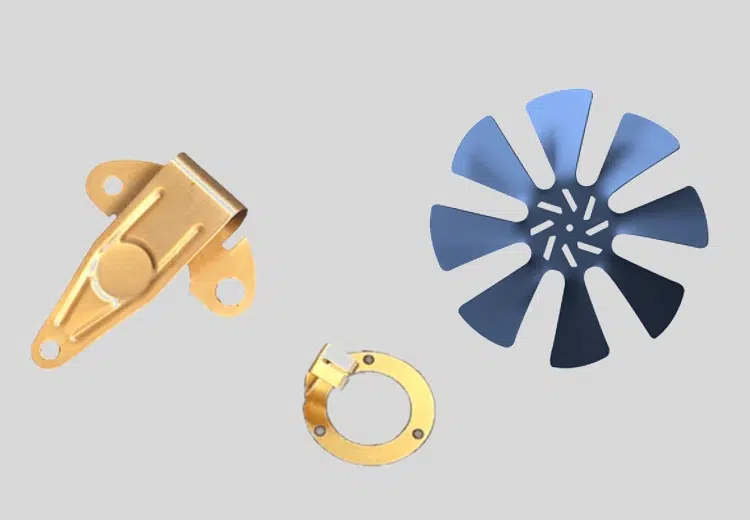
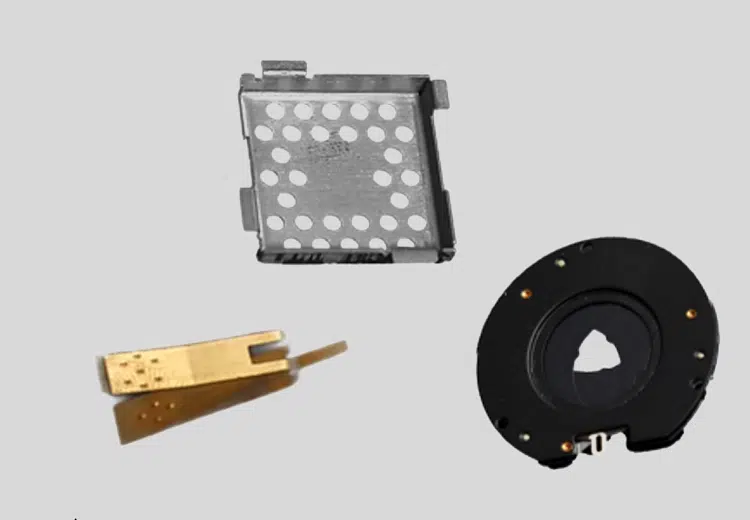
Press bending
This method uses an industrial press equipped with specialized tools to apply controlled deformation to the part. It is ideal for precision parts and repetitive production runs.
Roll forming
Rolling involves passing the workpiece between several rollers to give it a uniform curvature. This technique is often used for long profiles or large workpieces.
Progressive camber
The progressive bending is performed in several successive passes to minimize internal stresses and ensure an excellent surface finish.
The assembly of metal components
Once the parts have been curved or shaped, the assembly of metal components allows for the creation of complete and functional mechanical assemblies.
The assembly can be permanent or removable, depending on the requirements for use and maintenance. There are several methods of metal assembly:
- Welding: a permanent joint that provides excellent mechanical strength
- Riveting: a reliable solution for thin parts or those subject to vibration
- Bolting and screwing: a detachable assembly that facilitates maintenance
- Crimping: a fast and precise technique for certain components
- Industrial bonding: used as a supplement to or alternative for welding
Curving and assembly: an industrial synergy
Bending and assembly are often combined into a single manufacturing process. A properly bent part facilitates assembly and ensures optimal alignment of the components.
This synergy makes it possible to:
- Minimize mechanical stress during assembly
- Improve the overall accuracy of the sets
- Maximizing the service life of metal structures
- Meeting demanding technical specifications
Why choose us for your bending and assembly projects?
- Expertise in processes
- Compliance with tolerances and standards
- Technical support from the design phase onward
- Consistent quality, from single units to production runs

Learn more about bending and assembly
Do you have questions about bending and assembling metal components? Find answers to the most frequently asked questions here!
What is the difference between camber and bending?
Bending creates a sharp angle on the metal part, while forming produces a gradual, continuous curve without any breaks in the material.
What materials can be curved?
Most metals can be formed, including steel, stainless steel, aluminum, and certain alloys, provided that the forming method and parameters are adjusted accordingly.
Does camber affect mechanical strength?
When done correctly, camber preserves the material's mechanical properties and can even improve stress distribution.
Can machining, bending, and assembly be combined?
These processes are often complementary. Machining ensures precision, bending ensures shaping, and assembly ensures the creation of complete mechanical assemblies.
Are bending and assembly suitable for small production runs?
These techniques are ideally suited for prototypes, small-volume production runs, and medium-volume production runs, offering a high level of quality and repeatability.
What resources and equipment are available?
At WIPELEC, we use specialized tools for bending and assembly:
- Machining centers
- Wire EDM
- Digital cutting table
- Presses