
Silver plating
What is silver plating ?
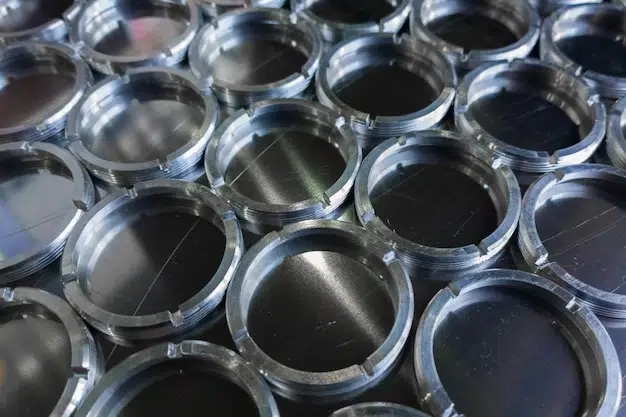
Silver plating is a surface treatment process that involves depositing a thin layer of silver (3 to 9 microns) onto a metal part to improve its functional and aesthetic properties. As a form of electroplating, it helps optimize electrical conductivity, enhance corrosion resistance, and provide a uniform, polished silver finish.
Depending on the technique used, silver can be deposited chemically, mechanically, or electrolytically to produce a uniform, durable coating that meets the application’s requirements.
Silver plating methods
At Wipelec, we use a variety of silver-plating techniques, carefully selected to meet your specific needs and the technical requirements of your project.
Electroplating
Electroplating is a process that involves depositing a thin layer of silver onto a workpiece by immersing it in a suitable chemical bath. This technique produces a uniform, shiny, and durable finish, while enhancing the substrate’s electrical conductivity and aesthetic qualities.
- Provides a uniform and attractive finish
- Ideal for improving the appearance and certain surface properties without the need for complex equipment
Mechanical silver plating
This method involves applying a layer of silver through a physical process, typically by rubbing or spraying, without a chemical reaction in a bath. This method strengthens the surface while providing a uniform metallic finish and good wear resistance.
- Provides a quick solution for strengthening and protecting a surface
- Provides a wear-resistant silver coating
Electrolytic silver plating
This process deposits a thin layer of silver onto a part using an electric current while it is immersed in a bath containing silver ions. This technique ensures a precise, uniform, and highly adherent coating, ideal for improving conductivity and providing corrosion protection.
- Ensures precise and long-lasting application
- Suitable for applications requiring excellent conductivity
- Optimal corrosion protection
Why choose silver plating as a surface treatment?
Corrosion protection
Silver plating protects metal surfaces from oxidation and external damage. By forming a protective barrier, it extends the service life of components. This protection is particularly useful in humid or corrosive environments. It helps preserve the properties of the base material over time, thereby reducing maintenance and replacement costs.
Aesthetic appeal
This process produces a glossy, uniform finish and gives parts a high-end, polished look. This finish is sought after in many industries, particularly the luxury and home decor sectors. The resulting surface is smooth and even. This enhances the final product while making it more appealing.
Improved weldability
Silver plating facilitates the soldering process by providing a clean, uniform surface and better adhesion, and helps minimize soldering defects such as poor adhesion or porosity. It also helps improve the quality and consistency of the joints.
Improved electrical conductivity
Silver is one of the best electrical conductors, making it an ideal choice for technical components . Silver plating helps reduce energy loss and optimize the performance of electrical contacts. It is widely used in the electronics and electrical industries. This process ensures more reliable and stable current transmission and helps limit heat generation caused by electrical resistance.
The steps in the silver plating process
Preparation of parts
Before any process begins, the part is cleaned and degreased to remove all traces of contamination and ensure proper adhesion of the coating.
Stripping and activation
A chemical treatment is applied to remove oxides and activate the surface, a crucial step especially for electrolytic and immersion silver plating.
Rinsing
A chemical treatment is applied to remove oxides and activate the surface, a crucial step especially for electrolytic and immersion silver plating.
Deposit
This step depends on the process selected: immersion (chemical reaction), electroplating (electric current), or mechanical action. Each method produces a coating suited to the technical requirements of the part.
Final rinse
The part is rinsedto remove chemical residues and stabilize the coating.
Drying
Controlled drying is performed to prevent any marks or damage to the silver surface.
Quality Control
Tests are conducted (thickness, adhesion, appearance) to ensure that the coating meets the required standards, with criteria that may vary depending on the technique used.
The various electrolytic silver plating processes
Electrolytic silver plating is one of the most widely used processes for achieving a precise and uniform silver deposit that meets high technical standards. It can be performed using rack or barrel plating, depending on the shape, quantity, and constraints of the parts to be treated.
Silver plating on the clasp
This process involves securing individual parts to holders (clamps) to ensure precise positioning in the electroplating bath. It allows for optimal control of the plating process, particularly on technical or complex areas. This method is particularly well-suited for parts that require a high-quality finish and a high degree of uniformity.
Barrel silvering
Here, the parts are placed loose in a rotating barrel submerged in the electrolytic bath. This motion allows for the simultaneous processing of a large number of small parts. This method is ideal for mass production, offering a good balance between quality, speed, and cost.
Learn more about silver plating
Do you have questions about silver plating? Find the answers to the most frequently asked questions here!
Can silver plating be applied to all materials?
Silver plating is mainly applied to metals, but not all metals react in the same way. Some materials require pretreatment to ensure proper adhesion.
In some cases, a base coat may be applied before the silver is deposited. Plastics and other non-conductive materials can also be treated, but this requires specific processes. A technical study is often necessary to confirm feasibility and ensure a reliable, long-lasting result.
Is silver plating durable?
The durability of a silver plating depends on several factors, such as the thickness of the coating, the conditions of use, and the environment. Under normal conditions, it can offer excellent long-term durability. However, exposure to intense friction or corrosive environments can accelerate wear. Choosing the right process and an appropriate thickness helps optimize its longevity. In some cases, additional maintenance or protection may be necessary. At Wipelec, we assess your needs in advance to ensure optimal performance.
How do you choose the right silver plating process?
The choice of process depends primarily on the nature of the parts and their intended use.
- Electrolytic silver plating is the preferred method for technical parts that require precision and consistency.
- Immersion silver plating is suitable for simpler or more specialized processes.
- Mechanical silver plating is used for specific applications or under specific conditions.
Production volumes and costs also influence the decision. Through our technical analysis, we will help you choose the method best suited to your project.
What is the difference between nickel plating and silver plating, and why choose one over the other?
Nickel plating and silver plating are two surface treatments that involve depositing a layer of metal onto a part, but they serve different purposes.
Nickel plating deposits a layer of nickel, a hard and durable metal, primarily used to protect parts from wear and corrosion and to enhance their mechanical durability.
Silver plating, on the other hand, deposits a layer of silver, which is known for its excellent electrical and thermal conductivity, making it ideal for electronic applications and electrical contacts.
In practical terms, the choice depends on the intended use of the part. We recommend nickel plating for its durability and protection in harsh environments, while silver plating is the better choicefor electrical performance, contact quality, and, in some cases, aesthetic appeal.
Why choose Wipelec for silver plating?
For over 40 years, Wipelec has been active in the field of surface treatment, particularly silver plating. We strive to provide high-quality solutions tailored to our customers’ needs, while staying attuned to innovations and market trends.

Related surface treatments
Would you like to learn more about our other surface treatments? Find out more and explore all our solutions!