
Metal Surface Treatment
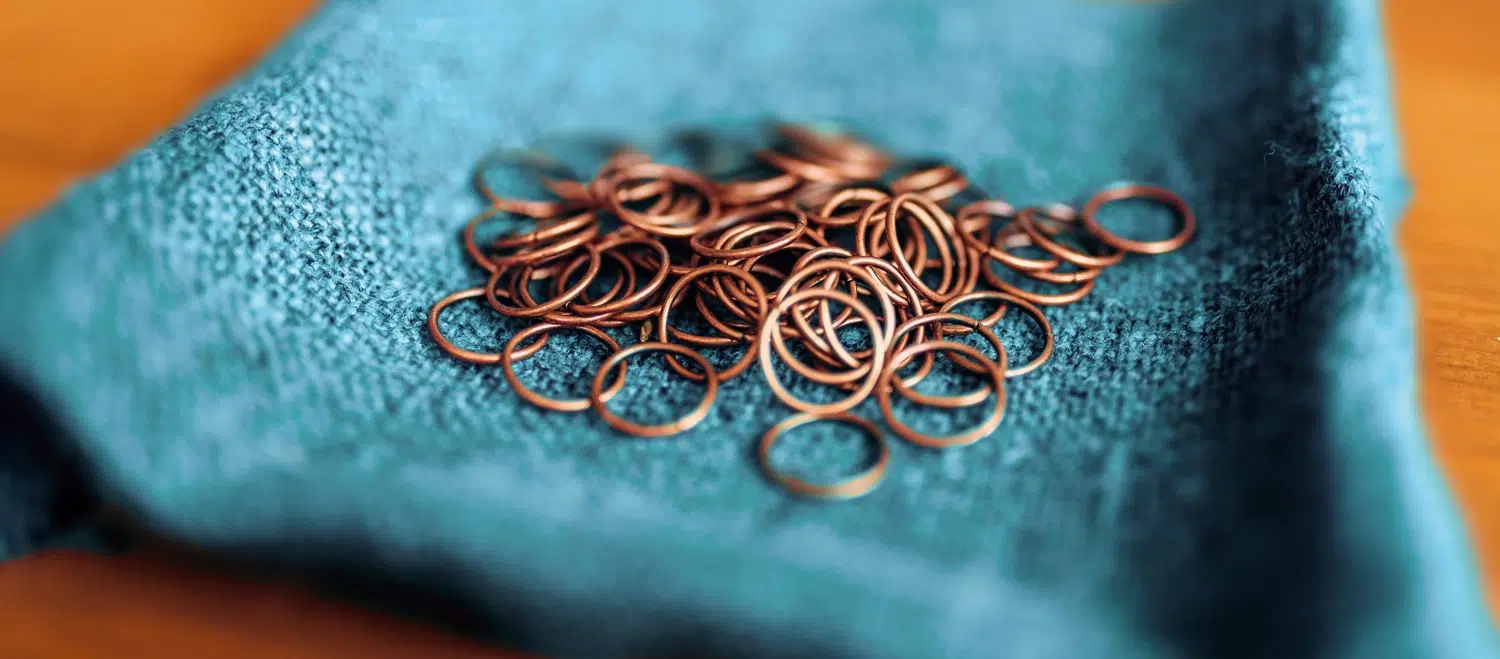
Metal surface treatment encompasses processes that modify the surface properties of a metal or alloy without altering its internal structure. It improves corrosion and wear resistance, electrical conductivity, coating adhesion, and the appearance of parts.
Our surface treatment facility, located in Meaux (77), applies its expertise to enhance the performance and durability of your metal parts. We treat a wide range of materials—even the most complex ones—with functional coatings tailored to your industrial requirements, from prototypes to mass production.
Our various processes
Wipelec specializes in more than ten surface treatment processes, carried out on high-capacity manual production lines. Each process addresses a specific need: corrosion protection, conductivity, weldability, hardness, or paint adhesion.
Electroless nickel plating
Chemical nickel plating deposits a layer of nickel-phosphorus without an electric current, with a perfectly uniform thickness even on complex geometries. It enhances the corrosion and wear resistance of your parts.
Electrolytic nickel plating
Electrolytic nickel plating deposits nickel using an electric current to protect your parts from corrosion and improve their hardness. It also serves as a base coat before gold or silver plating.
Tinning
Tinning involves applying a layer of matte tin, glossy tin, or 60/40 tin-lead alloy, which protects against oxidation and facilitates soldering. It is the standard treatment for connectors and electronic components.
Metalizing plastics
Metalizing plastics makes the surface of a plastic part conductive by depositing a metal layer on it. This provides electromagnetic shielding, conductivity, or a metallic appearance, while maintaining the lightweight nature of the plastic.
Copper plating
Copper plating deposits a layer of copper to improve the electrical and thermal conductivity of your parts. It also serves as a bonding layer before other coatings are applied.
Alodine 1200
Alodine 1200 is a chemical conversion coating for aluminum that protects it from corrosion while preserving its conductivity. It also serves as an excellent primer for paints.
Electroless copper plating
Chemical copper plating deposits copper without an electric current, even on non-conductive substrates or complex shapes. It ensures a uniform coating, making it ideal as a base for metallization.
Electrolytic copper plating
Electrolytic copper plating deposits copper using an electric current and allows for thicker coatings. It offers excellent conductivity for electrical and electronic applications.
Silver plating
Silver plating deposits a layer of silver—the most conductive metal—onto your parts. It is the preferred choice for electrical contacts and high-frequency connectors.
Industrial gilding
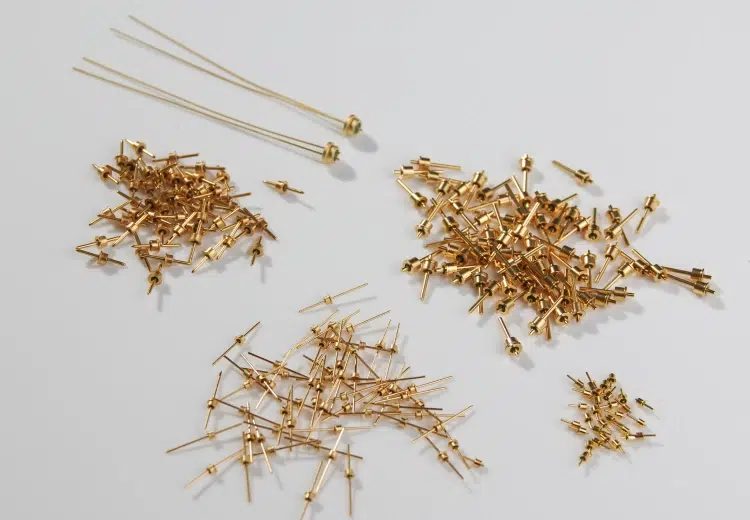
Electrolytic gold plating deposits a layer of gold or gold-nickel that resists oxidation and ensures reliable electrical contacts over time. It is essential in electronics, aviation, and the aerospace industry.
Surtec 650
The Surtec 650 treatment is a chemical conversion process for aluminum that does not use hexavalent chromium and complies with REACH and RoHS regulations. It protects against corrosion and prepares the surface for painting.
Surface treatment is a very broad topic; please feel free to contact us so we can assess the feasibility of your project.
Our Surface Treatments at a Glance
This table summarizes the principles, advantages, and applications of each process to help you identify the one that is right for your part.
| Treatment | Description | Key Benefits | Applications |
|---|---|---|---|
| Tinning | Applying a tin coating to metal parts to improve their protection and conductivity | Corrosion resistance, excellent weldability, good conductivity | Electronics, connectivity, aerospace, defense |
| Silver plating | Deposition of metal to improve electrical and thermal properties | Very high conductivity, oxidation resistance, electrical performance | Electronics, aerospace, telecommunications, defense |
| Metalizing plastics | Applying a metallic coating to plastic parts | Metallic appearance, conductivity, improved surface strength | Automotive, electronics, medical, industrial design |
| Electrolytic copper plating | Electrolytic copper plating on metal parts | High electrical conductivity, excellent adhesion | Electronics, circuits, telecommunications |
| Electroless copper plating | Electroless copper plating | Uniform coating, processing of complex geometries | Electronics, microtechnology, connectivity |
| Electroless nickel plating | Uniform nickel deposition without electrolysis | Corrosion and wear resistance, high hardness | Precision engineering, medical, aerospace |
| Electrolytic nickel plating | Electrolytic deposition of nickel on metal surfaces | Corrosion protection, mechanical strength, uniform finish | Mechanical engineering, aerospace, electronics |
| Gold | Technical or functional gold plating on metal parts | Optimal conductivity, excellent resistance to oxidation | Aerospace, precision electronics, high-performance connectors |
| Alodine 1200 | Chemical conversion treatment primarily for aluminum | Corrosion protection, improved paint adhesion | Aeronautics, defense, automotive |
| Surtec | Hexavalent chromium-free conversion coating for light metals | Environmentally friendly corrosion protection, regulatory compliance | Aeronautics, electronics, industry |
Our specialties
Technical Deposits
We apply functional coatings to enhance the mechanical, electrical, or chemical properties of parts. These treatments are not decorative; they are designed to optimize the performance and durability of your components.
Refractory metal deposits
Refractory metals such as molybdenum and tungsten are highly resistant to heat and wear, but difficult to process. Our workshop is capable of applying specific coatings to these materials to enhance their properties or add new functionalities without altering their structure.
Localized deposits
Some parts require treatment only in specific areas. For example, we reinforce areas subject to friction or protect only the parts that are susceptible to corrosion.
Barrel aging
For small industrial parts such as screws, bolts, or standard mechanical components, we use rotary drums that allow us to process multiple parts simultaneously. This method is fast, cost-effective, and ensures uniform treatment of all parts.
Deposits on hold
For larger or delicate parts, each component is suspended individually by clamps during the coating process. This technique prevents any contact between parts, ensures a uniform coating, and eliminates the risk of scratches or defects.
Ongoing monitoring
Continuous monitoring of the baths and operating conditions is key to high-quality surface treatment. Our teams constantly monitor every parameter—including temperature, chemical composition of the baths, deposition rate, and immersion time— to ensure that your parts receive a uniform coating that meets strict standards.
Through this constant monitoring, we immediately detect any variations that could affect the final quality of the components. This not only ensures the reliability and reproducibility of each part, but also maximizes the durability and functional performance of your parts.
Each treatment is therefore closely monitored, from the preparation of the part through to its final packaging, ensuring full traceability and complete control over the process. By choosing continuous monitoring, you are opting for coatings that are resistant to wear, impact, and chemical exposure, while meeting your technical requirements and production deadlines.
Comprehensive metal surface treatment
Benefits for your parts
- Resistance to corrosion, wear, and abrasion
- Electrical conductivity and mechanical properties
- Preparing for other treatments
- Hardness
- Aesthetic aspects (finishes, gloss, etc.)
Resources and equipment
- 6 manual chains
- 1 oil bath for tin and tin-lead coatings
- 2 Micro-biliary
- 1 Sandblaster
- 1 Micro-sandblaster
- Microscope
- Binoculars
- 2 X-ray fluorescence
- Heat treatment furnaces
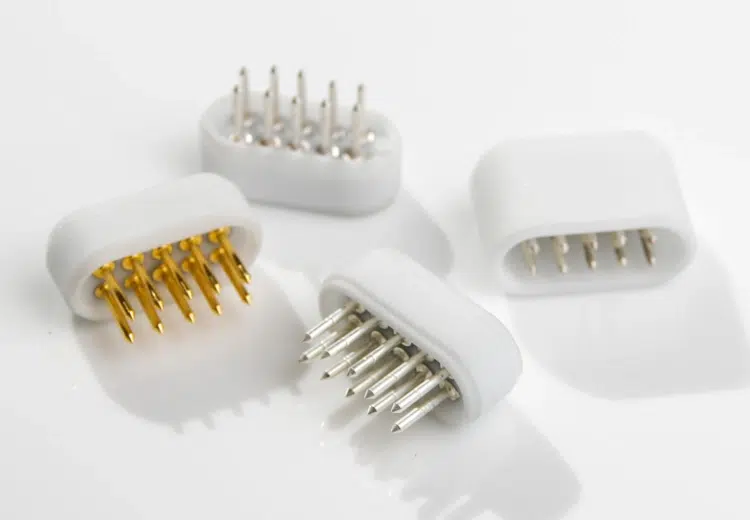
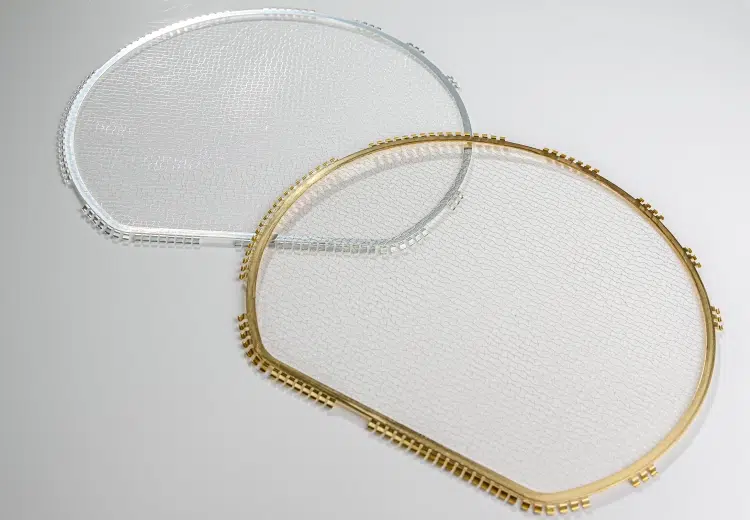
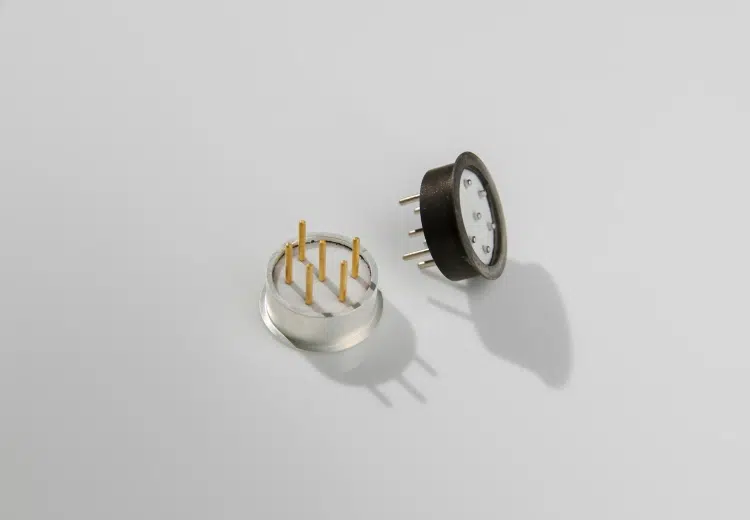
Preparation and implementation
This main process typically follows surface pretreatment. To ensure thorough surface treatment, we carefully prepare and carry out two preliminary steps:
- Degreasing: Removal of grease using chemical, mechanical, or electrolytic methods
- Stripping: Removal of oxides and impurities using chemical (acid-based), mechanical (sandblasting), or electrolytic processes.
Once these steps are complete, we monitor the temperature, the concentration of the solutions, as well as the duration and uniformity of the treatment. We also perform adhesion and thickness tests to ensure optimal results.
Many industries rely on our surface treatment company
Search
We provide custom coating services for laboratories and prototypes, including on materials that are difficult to process.
Automotive
Our treatments protect parts from corrosion, reduce wear, and improve their finish.
Medical
Our coatings are resistant to corrosion and cleaning agents, with a finish quality suitable for medical equipment.
Aeronautics
This enhances the components' resistance to mechanical, thermal, and environmental stresses.
Electronics
Tinning, silver plating, and gold plating improve the conductivity and solderability of components and connectors.
Defense
We process parts that are exposed to harsh environments, where the reliability of the coatings is critical.
Optics
Our technical coatings protect the mechanical components of optical instruments without altering their dimensions.
Spatial
Our gold and silver plating ensures reliable electrical contacts and excellent performance under extreme conditions.
Telecommunications
Silver plating and gold plating ensure optimal conductivity for high-frequency connectors.
Learn more about surface treatment
Do you have questions about surface treatment? Find answers to the most frequently asked questions here!
What is the turnaround time for surface treatment?
Surface treatment lead times depend on several factors: the type of process used, the complexity of the parts, the quantity to be treated, and the required quality standards.
Generally speaking, standard treatments can be completed in a few days, while more technical or specialized procedures may take longer.
How do you choose the right surface treatment method?
The selection is based on four criteria:
- The material of the part: A process designed for aluminum, such as Alodine 1200 or Surtec 650, may not be suitable for stainless steel or titanium. Plastics require prior metallization.
- Desired properties: corrosion resistance, hardness, conductivity, weldability, or paint adhesion. For example, electroless nickel plating offers excellent wear resistance, while silver plating maximizes conductivity.
- The operating environment— humidity, salt, chemicals, heat, or friction—calls for a more protective coating.
- Total cost of ownership: A more efficient treatment reduces wear, maintenance, and replacements.
Our teams will guide you through this decision starting with the feasibility study.
Why is surface treatment essential after machining?
After precision machining, surface treatment helps extend the service life of your parts, improve their mechanical strength, and ensure their compliance with industry standards.
It also helps optimize component performance in harsh environments, such as those with high humidity, high temperatures, or repeated mechanical stress.
Does surface treatment affect the precision of the parts?
Certain surface treatments can slightly affect the final dimensions of parts. That is why machining tolerances are factored in during the design phase to ensure that the final precision meets our customer’s requirements.
What surface treatment should you choose for aluminum?
Aluminum is primarily protected through chemical conversion. Alodine 1200 and Surtec 650 protect it from corrosion while preserving its conductivity, and prepare the surface for painting. Surtec 650 has the advantage of being hexavalent chromium-free.
To create a harder, more wear-resistant surface, aluminum can also be nickel-plated.
What is the difference between chemical nickel plating and electrolytic nickel plating?
Chemical nickel plating is performed without an electric current. It deposits a layer of uniform thickness, even in recesses and on complex shapes.
Electrolytic nickel plating uses an electric current. The deposit is thicker on the edges, but the process is well suited for simple parts and is often used as a base coat before gold or silver plating.
All our articles on surface treatment
- Information
Why hire a surface treatment specialist in the aerospace industry?
- Christophe Garrabe
- The
- 7-minute read