
Aluminum Machining
Everything You Need to Know About Aluminum Machining
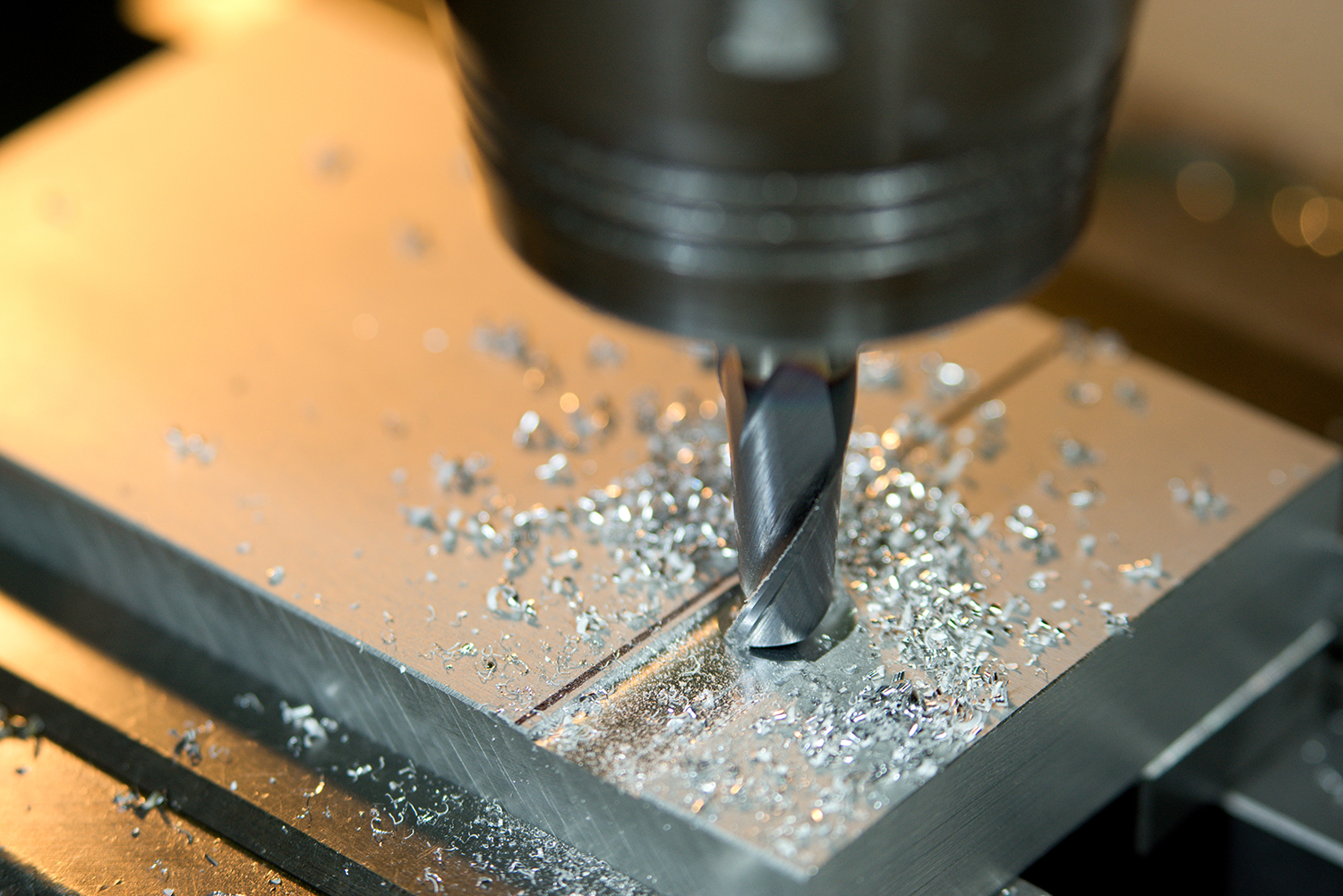
Aluminum is one of the most widely used materials in precision machining due to its excellent mechanical, physical, and economic properties. Its low density allows for the production of lightweight parts, while its excellent machinability facilitates milling, turning, and drilling operations, ensuring high dimensional accuracy and a good surface finish. It is also distinguished by its good thermal and electrical conductivity, its non-magnetic nature, and its natural resistance to corrosion. Suitable for numerous industrial applications, aluminum offers an excellent balance between technical performance, ease of manufacturing, and cost control.
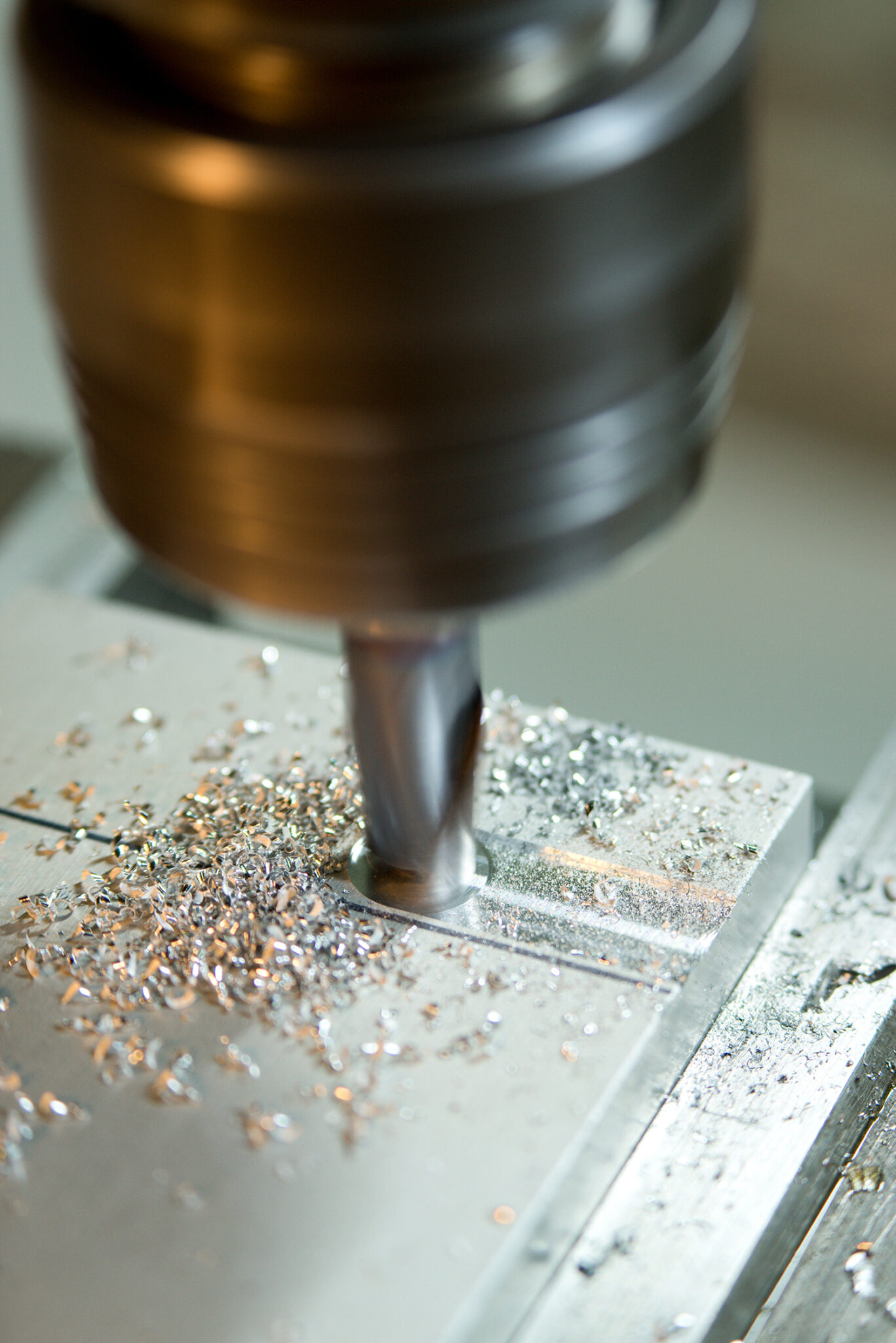
With our state-of-the-art machinery, well-managed logistics, and rigorous quality control, we do everything we can to ensure efficient manufacturing and shorter delivery times.
Our organizational structure allows us to respond quickly to your needs while ensuring careful monitoring at every stage of your order.

Our customers' satisfaction is based on our ongoing commitment to quality and transparent communication.
We regularly monitor your orders to keep you informed of their progress and to support you throughout your project.
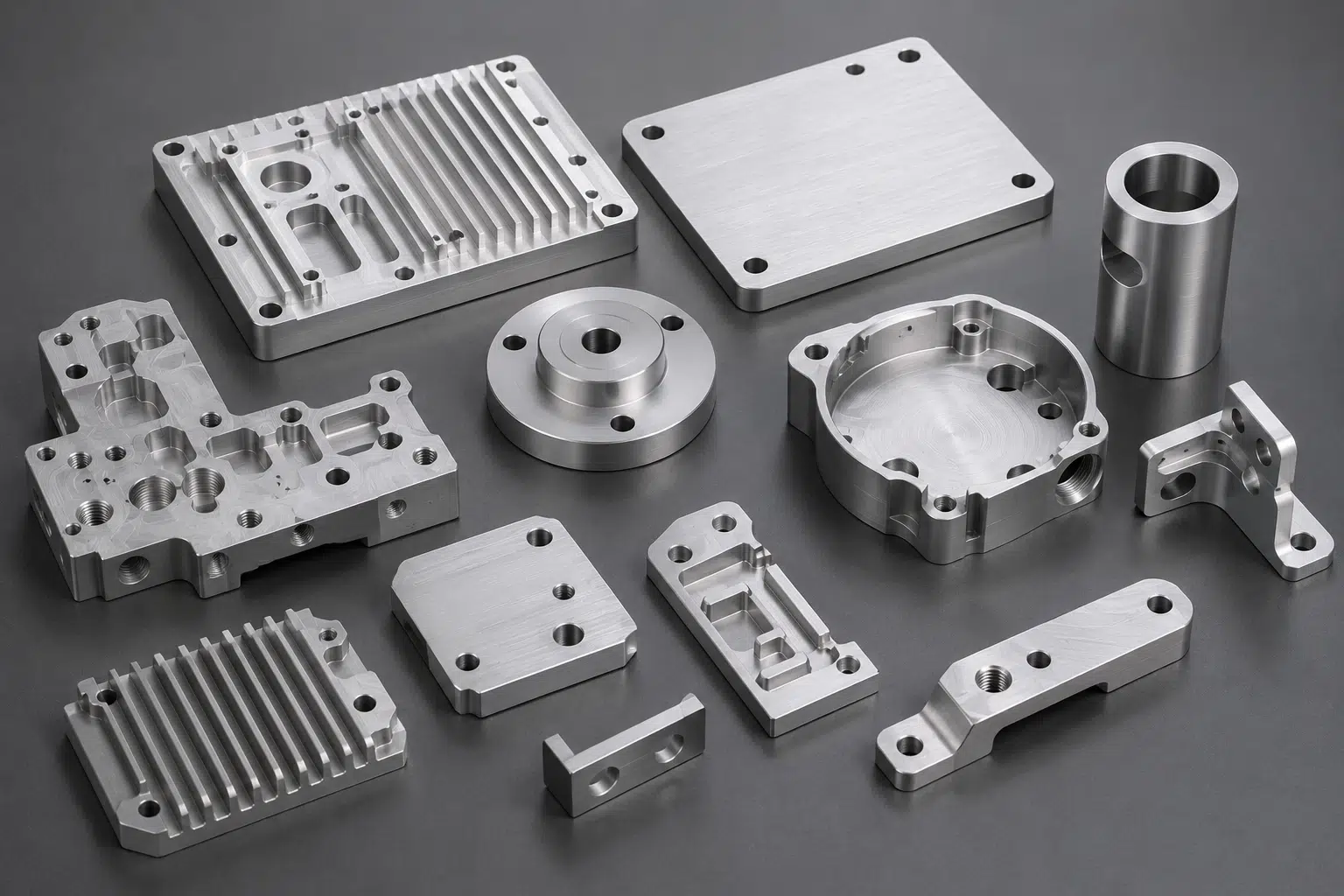
We machine your mechanical parts and components from various grades of aluminum, tailoring our work to the technical requirements of your projects.
We also offer machining services for other materials to meet a wide variety of industrial needs.
What is aluminum machining?
Aluminum machining is a mechanical manufacturing process that involves removing material from a raw workpiece using cutting tools to give it a precise shape, dimensions, and surface finish.
This operation can be performed using various techniques, such as milling, turning, or drilling, depending on the geometry and characteristics of the part to be produced. Aluminum is particularly well-suited to these processes due to its light weight and ease of machining, which make it possible to produce complex parts with high precision and reduced manufacturing times.
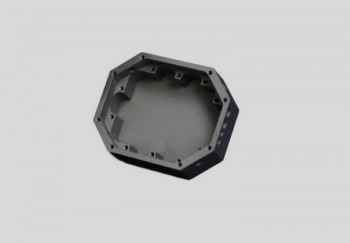
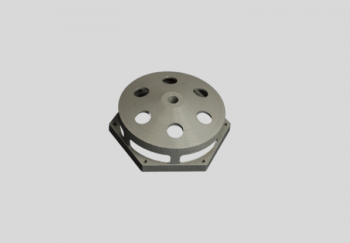
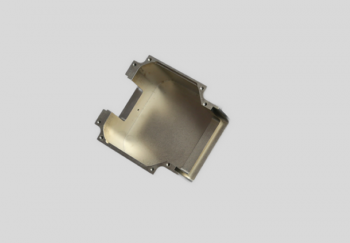
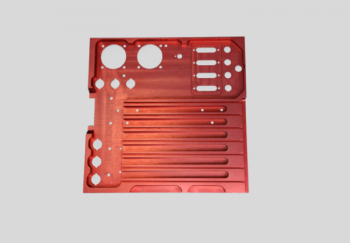
's Industrial Applications in Aluminum Machining
Electronics Industry
Aerospace & Defense
Energy Industry
Medical Sector
Automotive Industry
Why Use Aluminum in Precision Machining?
Aluminum offers several advantages for the manufacture of industrial components:
- Lightweight: Its low density helps reduce the weight of parts and equipment.
- Machinability: It is suitable for various machining operations.
- Corrosion resistance: It naturally forms a protective oxide layer.
- Thermal and electrical conductivity: properties that are valuable for many technical applications.
- Versatility: Its various alloys make it possible to meet a wide range of needs depending on the desired characteristics.
Everything You Need to Know About Aluminum Machining
Do you have questions about aluminum machining? Find the answers to the most frequently asked questions here!
Which aluminum alloys can be machined?
Many aluminum alloys can be machined. Alloys in the 2000, 5000, 6000, and 7000 series are commonly used in industry, each with different properties in terms of mechanical strength, corrosion resistance, and machinability. The choice of alloy depends on the stresses to which the part will be subjected and its operating conditions.
Can we machine custom aluminum parts?
Yes, machining makes it possible to manufacture custom aluminum parts based on technical drawings or 3D models. The dimensions, shapes, tolerances, and finishes are determined according to the specifications and the constraints of the application. Feasibility depends, in particular, on the part’s geometry and the available manufacturing resources.
What surface treatment can be applied after machining aluminum?
After machining, various surface treatment options can be considered depending on the requirements: anodizing, chemical conversion, or other treatments suitable for the alloy and the application. These processes can improve corrosion resistance, surface hardness, or certain functional properties of the part.
How can we ensure the accuracy of machined aluminum parts?
Precision depends on several factors: the choice of alloy, the quality of the cutting tools, the cutting parameters, the rigidity of the setup, and the dimensional inspection methods. An appropriate manufacturing method and inspections conducted in accordance with the drawing specifications ensure that the parts meet the required standards.
Do you have a question about aluminum machining? Need a quote? Feel free to contact us.
Our Contact Information
Would you like to learn more about our aluminum machining solutions? Feel free to contact us by phone or through our contact form.